Menu
Hospital Helpline +917709862164
For Homeopathy +917709862164
WhatsApp Us +917709862164
Hospital Helpline
+917709862164
For Homeopathy
+917709862164
WhatsApp Us
917709862164

Your health. Our legacy. A new era of care - RyseWell

Trusted Care for Diabetes, Heart Health & More in Pune

At RyseWell Multispeciality Hospital, Pune, your health is our unwavering priority. Led by Dr. Amit Palve, one of Pune’s most trusted physicians and diabetologists, we bring together the science of precision medicine and the art of compassionate healing to help you live a healthier, fuller life. As one of the leading multispeciality hospitals in Pune, our approach goes beyond treatment, it’s about building lifelong wellness through personalized, technology-enabled care that prevents, manages, and heals a wide range of health concerns. Whether you’re seeking expert diabetes treatment in Pune, advanced heart care, or holistic support for overall well-being, RyseWell Multispeciality Hospital stands beside you every step of the way, combining clinical expertise, modern diagnostics, and human-centered care for lasting health.

Pune’s Most Trusted Diagnostic Labs

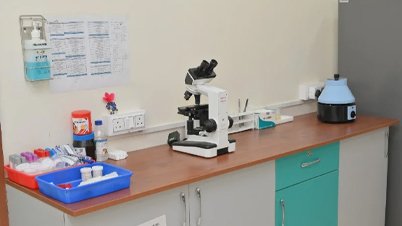
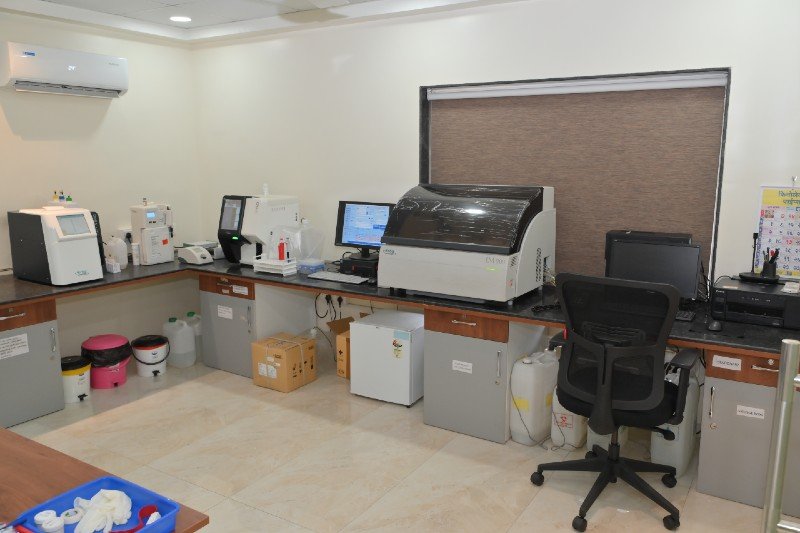
At Dr. Palve Labs, we believe good health starts with accurate diagnostics. With world-class technology, expert pathologists, and a patient-first approach, we provide reliable test results you can trust. From routine blood tests to advanced health packages, and from diabetes and heart health checkups to cancer screenings, our lab ensures every report is accurate, timely, and accessible. With home sample collection, same-day reports, and transparent pricing, we make healthcare simple and stress-free for every family in Pune. Your health. Our responsibility.
Visit to Dr. Palve Labs

Comprehensive Treatment Expertise

At RyseWell Multispeciality Hospital, Pune, we provide specialized and holistic healthcare tailored to each individual’s unique wellness journey. Our strength lies in combining cardio-diabetic excellence with a complete range of multispeciality medical services, ensuring seamless and coordinated care, all under one trusted roof.
1/

Diabetology

The Diabetology Department at RyseWell Multispeciality Hospital, Pune, offers comprehensive and personalized care for effective diabetes management. From continuous glucose monitoring and advanced insulin therapy to medication optimization and lifestyle guidance, our experts ensure your sugar levels stay in balance while improving your overall wellbeing.

Cardiology

The Cardiology Department at RyseWell Multispeciality Hospital, Pune, provides comprehensive heart care, from preventive check-ups and non-invasive diagnostics to advanced cardiac interventions. Every service is designed to detect, treat, and prevent heart conditions with precision and compassion.

Homoeopathy

The Homeopathy Department at RyseWell Multispeciality Hospital, Pune, led by Dr. Vidya Palve, specializes in treating chronic and lifestyle-related conditions using safe, natural remedies. Patients seeking holistic, side-effect-free care for diabetes, hormonal imbalance, allergies, or skin conditions will find personalized homeopathic solutions that restore balance and promote lasting wellness.

Endocrinology

The Endocrinology Department at RyseWell Multispeciality Hospital, Pune, provides expert care for hormonal and metabolic disorders that impact daily health, energy, and overall vitality.Patients seeking personalized treatment for thyroid imbalance, diabetes, osteoporosis, adrenal, or pituitary disorders will find advanced, compassionate, and technology-driven care designed to restore balance and long-term wellness.

Your Health. Our Personalized Approach.

With a strong multidisciplinary approach, RyseWell Multispeciality Hospital, Pune, offers a one-stop solution for patients seeking personalized, technology-driven healthcare.From diabetes and heart care to comprehensive multispeciality treatments, the expert team at RyseWell Multispeciality Hospital combines medical precision with genuine human understanding, because your health deserves both expertise and empathy.

Our Diagnostic Specialties

Our advanced diagnostic centre in Pune provides accurate, timely diagnoses to ensure the best treatment outcomes. We take pride in being a trusted name when searching for the best diagnostic centre near you.
1/

Pathology (In-House Lab Tests)

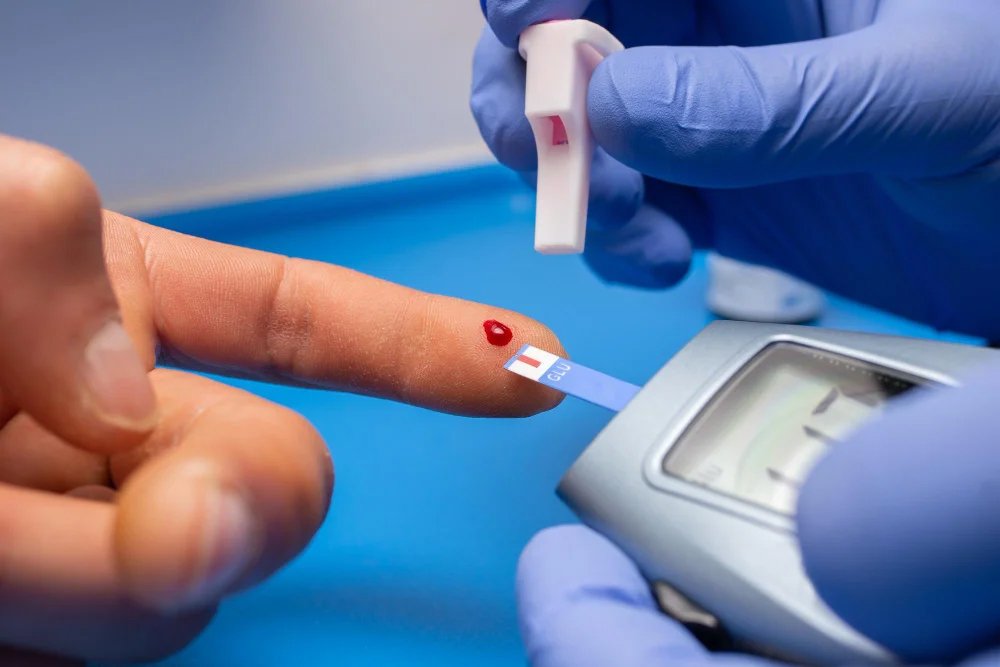
Our state-of-the-art pathology lab offers a wide range of blood tests, including specialized diabetes panels. If you’re looking for the best blood test lab near you, our facility guarantees reliable results and precise diagnosis.

Cardiology Tests (TMT, ECG, ABPM)

We provide advanced diagnostics for heart health, including ECG, echocardiograms, and stress tests. Patients seeking a trusted cardiologist in Pune can rely on us for comprehensive cardiac evaluations.

Respiratory Care (PFT)

Our respiratory diagnostics help detect and treat pulmonary issues, ensuring overall wellness. Our diagnostic centre in Pune provides complete lung function tests with accurate, timely results.

Continuous Glucose Monitoring

Our Continuous Glucose Monitoring System provides real-time insights into your blood glucose levels. This advanced technology helps manage diabetes more effectively, allowing for timely adjustments to your treatment plan and improved health outcomes.

Comprehensive Multispeciality Care, Tailored to You

At RyseWell Multispeciality Hospital, Pune, we bring together leading specialists, advanced diagnostics, and compassionate care under one trusted roof. From preventive health and diabetes management to heart, bone, digestive, and respiratory care, every department at RyseWell works in seamless synergy to support complete wellness for you and your family. Guided by the legacy of Dr. Amit Palve, we continue to redefine patient care in Pune through a rare blend of medical excellence, modern technology, and genuine human connection,because your health deserves expertise that truly cares

Our HealthCare Package

Our HealthCare Package description
1/

Cutting-Edge Medical Technology

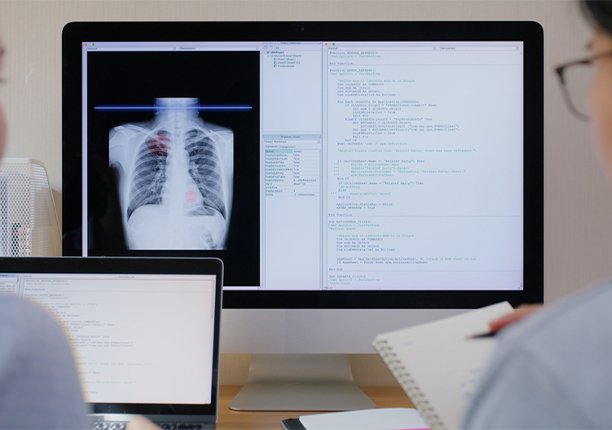
At Dr. Palve Hospitals, we are committed to providing the highest quality care through the use of advanced medical technology. Our state-of-the-art facilities are equipped with the latest diagnostic and treatment technologies, ensuring accurate diagnoses and effective treatments. From our sophisticated imaging systems to our minimally invasive surgical techniques, we leverage technology to enhance patient outcomes and improve overall healthcare experiences.

We walk an extra mile for our patients

1/

All-in-One Multispeciality Excellence

Why juggle multiple appointments when you can get complete care under one roof? At RyseWell Multispeciality Hospital, we bring together top-tier specialists, diagnostics and treatment facilities, ensuring a seamless, coordinated experience that always puts your health first. No more running around, just exceptional, personalized, and technology-enabled care for every stage of life.

Smart Tech, Smarter Health

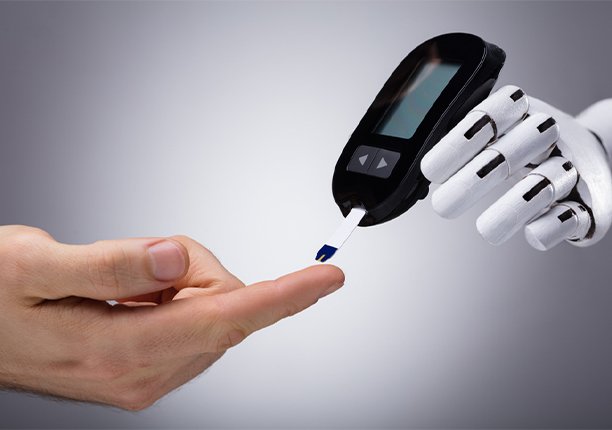
Stay in control of your health with RyseWell’s advanced medical technology. From AI-powered health monitoring to Continuous Glucose Monitoring Systems (CGMS), we use intelligent tools that track, analyze, and adapt to your unique needs in real time

Care as Unique as You Are

At RyseWell Multispeciality Hospital (formerly Dr. Palve Hospital), we believe healthcare should never be one-size-fits-all. Every patient receives a personalized care plan designed around their lifestyle, goals, and needs.

More Than Medicine—Holistic Healing

At RyseWell Multispeciality Hospital, we look beyond symptoms to understand the whole you.Our holistic approach focuses on finding and treating the root cause of health concerns, helping prevent complications before they arise. With us, care isn’t just about managing a condition; it’s about empowering you to live healthier, happier, and more balanced every day.

Empowering Health Beyond Our Walls

At RyseWell Multispeciality Hospital, we believe healthcare doesn’t end at the hospital door, it begins in the community.Through regular health camps, wellness workshops, and awareness programs, we reach thousands across Pune, guiding them toward preventive care and better health management. From educating students on lifestyle diseases to empowering families with practical wellness insights, we’re building a culture of health, one informed, confident individual at a time.

Pioneering Tomorrow’s Diabetes Care

The future of diabetes care is happening here. With plans to expand our facilities and integrate the latest innovations, Dr. Palve Cardio Diabetic Center is at the forefront of redefining how we manage and treat diabetes. Get ready for the next level of care.

Schedule a Consultation Today

We offer same-day and 24/7 appointments to address all your healthcare needs. From expert consultations to full health check-ups, we’re here to care, guide, and support you. Book a consultation and take the first step toward better health with RyseWell Multispeciality Hospital.

Personalized Care You Can Trust

At RyseWell Multispeciality Hospital, we believe in delivering truly personalized care centered around your health and well-being.Our mission is to combine medical expertise, compassionate service, and modern technology to ensure every patient feels seen, supported, and cared for.

Blogs

1/

New Year Health Reset: Improving Sleep Quality and Reducing Daily Stress

Introduction: A New Year Health Reset As the new year begins, many of us set resolutions to improve our health, but often, the most overlooked aspects of wellness are sleep and stress management. With our busy, modern lives, poor sleep and constant stress have become common, affecting not only our mental well-being but also our physical health. The connection between sleep quality and stress is powerful. One feeds into the other, creating a cycle that can take a toll on our energy, mood, and overall health. However, with small, consistent changes, you can reset this cycle and start the new year feeling refreshed and revitalized. At Rysewell Hospital, we are dedicated to helping you achieve a healthier, stress-free life with our preventive care approach. In this blog, we’ll walk you through the steps to improve sleep quality, reduce stress, and embrace a healthy lifestyle in 2025. Why Sleep and Stress Are Closely Connected Sleep and stress share a two-way relationship. Here’s how they affect each other: Stress Affects Sleep: When you are stressed, your body produces higher levels of cortisol, the stress hormone. Elevated cortisol levels can make it difficult for your body to relax, preventing you from falling or staying asleep. Poor Sleep Increases Stress: Lack of sleep affects the brain’s ability to regulate emotions and handle stress. When you’re sleep-deprived, you’re more likely to feel overwhelmed by the stresses of daily life, creating a vicious cycle. Health Impact: Over time, poor sleep and high stress can lead to serious health problems such as anxiety, depression, high blood pressure, heart disease, and weakened immunity. Managing both is essential for your long-term well-being.   Signs Your Body Needs a Health Reset If you’re struggling with sleep or stress, it’s important to recognize the signs that indicate your body needs a reset. Some common symptoms include: Difficulty falling or staying asleep Waking up feeling tired or unrefreshed Irritability or anxiety Low energy and poor focus Frequent headaches or body aches These signs indicate that your body is not operating at its best and could benefit from lifestyle adjustments, medical consultations, and consistent care.   Common Causes of Poor Sleep and Daily Stress Several factors contribute to poor sleep and high stress levels, especially in the urban Indian context. These include: Screen Time and Late Nights: The blue light from screens interferes with melatonin production, making it harder to fall asleep. Late-night screen time, especially before bed, is a major contributor to poor sleep. Work Pressure and Irregular Schedules: With demanding jobs and irregular work schedules, many people struggle to establish a consistent sleep routine. Work pressure adds to stress, further disrupting sleep patterns. Poor Diet and Caffeine Intake: Consuming caffeine or heavy meals late in the day can disrupt sleep. Poor dietary choices can also exacerbate stress and lead to poor sleep quality. Lack of Physical Activity: Physical activity reduces stress and helps you sleep better. A sedentary lifestyle contributes to weight gain and increased stress levels, which can negatively affect sleep. Mental Overload: Constant worry, anxiety, and unresolved emotional issues increase stress, leading to sleep disturbances.   Practical Tips to Improve Sleep Quality Here are some effective, medically recommended strategies to improve your sleep quality: 1. Maintain a Consistent Sleep Routine Go to bed and wake up at the same time every day, even on weekends. This helps regulate your body’s internal clock, making it easier to fall asleep and wake up. 2. Reduce Screen Exposure Avoid screens (phones, computers, TV) at least 30–60 minutes before bed. The blue light emitted by screens can interfere with the production of melatonin, making it difficult to sleep. 3. Create a Relaxing Bedroom Environment Make your bedroom conducive to sleep. Keep it dark, quiet, and cool. Consider using blackout curtains, earplugs, or a white noise machine to block out distractions. 4. Nutrition and Hydration Avoid heavy meals, caffeine, and alcohol late in the evening. Focus on light meals and stay hydrated throughout the day. Avoid drinking too much fluid right before bed to reduce nighttime bathroom trips. 5. When Naps Help and When They Don’t Napping can be beneficial if you’re sleep-deprived, but long or late naps can interfere with your nighttime sleep. Keep naps brief (15–30 minutes) and earlier in the day.   Effective Ways to Reduce Daily Stress Managing stress is as important as improving sleep quality. Here’s how you can reduce daily stress effectively: 1. Stress Management Techniques Practice mindfulness, meditation, or deep breathing exercises. These techniques help calm the mind and reduce stress hormone levels, improving both your emotional well-being and sleep quality. 2. Physical Activity Exercise releases endorphins, which are natural stress-relievers. Regular physical activity such as walking, yoga, or swimming helps reduce anxiety and promotes better sleep. 3. Time Management Habits Prioritize tasks and set realistic goals. Break large tasks into smaller, manageable steps to reduce the pressure and stress you may feel. Organize your time to include breaks and relaxation periods. 4. Set Boundaries Learn to say no to extra work or commitments that cause unnecessary stress. Protect your personal time to ensure you can relax and rejuvenate.   When Lifestyle Changes Are Not Enough While lifestyle changes are important, sometimes poor sleep or chronic stress might indicate an underlying medical condition. If you continue to experience significant difficulty with sleep or stress management, it may be time to seek professional help. Conditions like insomnia, sleep apnea, anxiety, depression, and hormonal imbalances can interfere with your sleep and stress levels. Consulting with a doctor can help identify the root causes and ensure timely intervention. Rysewell Hospital offers sleep studies, stress evaluations, and mental health assessments to get to the heart of your sleep and stress concerns.   How Rysewell Hospital Can Support Your Health Reset At Rysewell Hospital, we are committed to helping you achieve a healthier lifestyle. Our services include: General Medicine Consultations for sleep and stress-related issues Preventive Health Checkups to monitor overall health and prevent complications Stress and Sleep-related Evaluations to identify … Continue reading “New Year Health Reset: Improving Sleep Quality and Reducing Daily Stress”

Heart Health at 30: Preventive Care & Screenings at Dr. Palve Labs

Heart Health at 30: Why You Need to Start Caring Now As you enter your 30s, it might feel like you’re still in the prime of your health, but heart disease is a silent risk that can start developing early. While many people think that cardiovascular problems only affect older individuals, the reality is that poor lifestyle choices and genetic predispositions can begin taking a toll on your heart long before you reach 40. At Dr. Palve Labs, we emphasize the importance of early detection and preventive care when it comes to heart health. Understanding how your habits today can impact your heart tomorrow will help you take proactive steps toward a healthier future. 1. The Silent Risk of Heart Disease: Why You Should Start Screening at 30 The risk of developing heart disease increases with age, but it is essential to start monitoring your heart health in your 30s. This is the decade when lifestyle choices such as diet, exercise, and stress management can make or break your long-term cardiovascular health. Dr. Anjali Kumar, a renowned cardiologist, suggests that even if you feel perfectly healthy, it’s crucial to start routine screenings for heart disease in your 30s. Early detection can help manage risk factors like high cholesterol, high blood pressure, and family history of heart disease, ensuring that you stay ahead of potential issues. 2. Key Screenings Every 30-Year-Old Should Get to Monitor Heart Health If you’re over 30, it’s time to take proactive steps to ensure your heart stays healthy. Here are the most important heart health screenings that Dr. Palve Labs recommends for individuals in their 30s: Lipid Profile Test A lipid profile measures cholesterol levels, including LDL (bad cholesterol) and HDL (good cholesterol). Imbalances, such as high LDL levels or low HDL levels, can contribute to plaque buildup in the arteries, increasing the risk of heart attacks and strokes. Why it matters: High cholesterol is a silent killer. Getting tested regularly can help you make adjustments to your diet and lifestyle to keep your heart healthy. ECG (Electrocardiogram) An ECG helps detect abnormalities in the electrical activity of the heart, such as arrhythmias (irregular heartbeats). Even if you don’t feel symptoms, an ECG can help identify potential heart issues that might go unnoticed. Why it matters: Early detection of arrhythmias can prevent serious complications like heart failure or stroke. Blood Pressure Monitoring High blood pressure (hypertension) is a major risk factor for heart disease, often referred to as a “silent disease” because it rarely shows symptoms. Regular blood pressure checks are crucial to managing this risk. Why it matters: Consistent high blood pressure can damage the heart and blood vessels over time, leading to strokes and heart failure. 3. The Impact of Diet and Lifestyle on Your Heart Health Your 30s are the perfect time to evaluate your dietary habits and exercise routines because these choices directly affect your heart health. Dr. Kumar emphasizes the importance of maintaining a healthy weight, managing stress, and eating a balanced diet rich in fruits, vegetables, whole grains, and lean proteins. Healthy Heart Tips: Exercise regularly: Aim for at least 30 minutes of physical activity, 5 days a week, to keep your heart strong. Eat heart-healthy foods: Incorporate foods that lower cholesterol, such as oats, avocados, nuts, and fatty fish. Manage stress: Chronic stress can increase your risk of heart disease. Practicing mindfulness, meditation, or yoga can help reduce stress levels. 4. When to Start Screening Based on Your Risk Factors While 30 is a good starting point for preventive heart health screenings, certain risk factors can make it essential to start earlier. If you have a family history of heart disease, diabetes, or high cholesterol, consider starting screenings before age 30. Dr. Palve Labs offers personalized screenings based on your family history and lifestyle. If you have any of the following, talk to your doctor about starting screenings earlier: Family history of heart disease Obesity or being overweight High blood pressure Smoking or excessive alcohol consumption 5. Benefits of Early Detection and Preventive Care By getting regular heart screenings, you can detect issues like high cholesterol or high blood pressure early, when they are easier to treat. Preventive care helps reduce the risk of developing serious heart conditions later in life. At Dr. Palve Labs, we offer comprehensive heart health screenings that allow you to take action before heart disease progresses. With early intervention, lifestyle changes, and medication, most heart issues can be managed effectively, leading to a longer, healthier life. Take Charge of Your Heart Health Today Your 30s are a critical time for taking care of your heart. Starting preventive screenings now can help you maintain optimal heart health for the decades to come. At Dr. Palve Labs, we’re here to help you monitor your heart health with reliable tests, expert guidance, and personalized care. Book your heart health screening today and take proactive steps toward a healthier future. Don’t wait—schedule your check-up with Dr. Palve Labs now. 📞 Call us today at: +91 8149202506 FAQ Section: Why should I start heart health screenings in my 30s? Heart disease can develop early, and preventive screenings help catch potential issues before they become serious. What tests are included in heart health screenings? Key tests include lipid profiles, ECG, and blood pressure monitoring. How often should I get a lipid profile or ECG? It’s recommended to get a lipid profile every 5 years and an ECG based on your risk factors. Talk to your healthcare provider for personalized advice. Can lifestyle changes really improve heart health? Yes! Exercise, a healthy diet, and stress management are all crucial to maintaining heart health, and regular screenings help monitor your progress.

The Power of Epigenetics: How Homeopathy Can Help Manage Genetic Predispositions to Chronic Diseases

Introduction: Understanding Epigenetics and Genetic Predisposition Epigenetics is the study of how environmental factors can affect gene expression without changing the underlying DNA sequence. While genetic predisposition refers to the inherited traits and conditions passed down through families, epigenetics shows how these genetic factors can be influenced by lifestyle, environment, and experiences. For example, someone with a genetic predisposition to diabetes, heart disease, or autoimmune conditions might not develop these conditions if certain environmental triggers (like diet, stress, or toxins) are managed effectively. This is where homeopathy comes in, offering natural remedies that work at the constitutional level to help manage these triggers, support self-healing, and potentially prevent the expression of inherited conditions. In this blog, we’ll explore how homeopathy can assist in managing genetic predispositions and help address the underlying causes of chronic diseases, promoting overall health and balance. How Epigenetics Affects Health and Disease Genetic predisposition is just one part of the story. Environmental factors such as diet, stress, pollution, and lifestyle can modify gene expression, leading to the development or prevention of diseases. This means that while your genes might increase the risk of certain diseases, how you live your life can play a significant role in whether or not those diseases develop. Conditions like diabetes, autoimmune diseases, and cardiovascular conditions often have a genetic component, but they can also be triggered or exacerbated by environmental factors. By managing these triggers, it’s possible to reduce the risk of disease manifestation, even when there is a genetic predisposition. Homeopathy: A Natural Path to Managing Genetic Predispositions Homeopathy offers a holistic approach to health by treating the whole person, not just the symptoms. By addressing the underlying causes of illness and promoting balance, homeopathic remedies can help manage the environmental triggers that may cause genetically predisposed conditions to manifest. Here’s how homeopathy can help manage these chronic diseases: 1. Strengthening the Immune System Homeopathic remedies are designed to stimulate the body’s self-healing capacity. By strengthening the immune system, homeopathy can help reduce the likelihood of autoimmune conditions (such as rheumatoid arthritis, Hashimoto’s thyroiditis, or multiple sclerosis) from flaring up. For example, Arsenicum album, a commonly used homeopathic remedy, is often used to treat autoimmune conditions by supporting the body’s natural healing abilities and reducing stress. 2. Managing Stress and Emotional Health Stress is a known trigger for many chronic conditions, including heart disease, digestive disorders, and diabetes. Homeopathy has a deep connection with emotional well-being, addressing the root causes of stress that often lead to physical ailments. Remedies like Ignatia or Nux Vomica are frequently used for stress-induced conditions and can help restore emotional balance, reducing the impact of genetic predispositions. 3. Detoxifying and Supporting Organ Function Homeopathic remedies also work by detoxifying the body, which is essential for those with a genetic predisposition to conditions like heart disease or liver issues. For instance, remedies like Chelidonium and Carduus marianus are known to support liver health, which is critical for managing the symptoms of genetically predisposed conditions like non-alcoholic fatty liver disease (NAFLD). 4. Hormonal Balance and Metabolic Health For individuals genetically predisposed to hormonal imbalances (like PCOD, thyroid dysfunction, or diabetes), homeopathy can play a key role in restoring balance. Remedies like Sepia and Calcarea carbonica are often used to address hormonal issues, improve insulin sensitivity, and regulate metabolic processes, which can reduce the risk of diseases such as diabetes or thyroid disorders. 5. Addressing Chronic Conditions Holistically Homeopathy treats chronic conditions by focusing on the individual’s constitution rather than just targeting a specific symptom. Remedies are selected based on the person’s physical, mental, and emotional states, ensuring a tailored approach. This holistic method can help in managing conditions like chronic fatigue syndrome, migraines, and digestive disorders, all of which may be triggered by genetic factors and lifestyle. Research and Evidence Supporting Homeopathy While homeopathy has long been practiced worldwide, research supporting its efficacy is growing. Studies have shown that homeopathic remedies can modulate the immune system, reduce inflammation, and support mental wellness—all of which are essential for managing genetic predispositions to chronic diseases. A 2014 study published in the Journal of Complementary and Alternative Medicine found that homeopathic treatments could improve quality of life and symptom management in patients with chronic illnesses. Clinical trials have also indicated that homeopathic treatments like Nux Vomica and Sulphur can reduce the risk of cardiovascular diseases by promoting heart health and improving blood circulation. While more large-scale studies are needed, existing research, combined with patient success stories, highlights homeopathy’s role in managing chronic conditions and preventing genetic diseases from manifesting. Real-Life Success Stories of Homeopathy’s Impact At RyseWell Homeopathy, we have successfully treated numerous individuals with genetic predispositions, helping them improve in key health areas. Here are some real-life examples: Case 1: PCOD Relief in a Young Woman A young woman with a family history of PCOD (Polycystic Ovary Syndrome) sought homeopathic treatment at RyseWell Homeopathy to prevent the onset of symptoms. After taking Sepia and Calcarea carbonica, her hormonal levels normalized, and her menstrual cycles became more regular. The treatment successfully prevented the development of full-blown PCOD. Case 2: Managing Diabetes Risk A middle-aged man with a family history of diabetes used homeopathy as a preventive measure. Remedies like Syzygium jambolanum were prescribed to help improve blood sugar control and reduce insulin resistance, keeping him healthy and preventing the onset of diabetes. Conclusion: The Natural Path to Health Homeopathy offers a natural, safe, and personalized approach to managing genetic predispositions to chronic diseases. By addressing the root causes and promoting holistic healing, homeopathy can help individuals reduce their risk of disease and enhance overall well-being. At RyseWell Homeopathy, we are dedicated to providing individualized treatments that promote long-term health. If you are concerned about your genetic predisposition to chronic diseases, book your consultation today to explore how homeopathy can help you lead a balanced and healthier life. Interested in Homeopathy for Genetic Disease Management? Book your consultation at RyseWell Homeopathy and discover natural solutions for better health. 📞 Call: … Continue reading “The Power of Epigenetics: How Homeopathy Can Help Manage Genetic Predispositions to Chronic Diseases”

How to Protect Your Joints: Preventing Common Orthopedic Injuries in Everyday Life

Introduction: The Importance of Joint Health Our joints are crucial for movement, flexibility, and overall daily function. From walking to sitting and lifting, our joints work hard every day to support our bodies. However, as we age or engage in repetitive activities, we can experience joint pain, stiffness, or injuries that may interfere with normal function. At Rysewell Multispeciality Hospital, we understand that joint health is often overlooked until it becomes a serious issue. By taking simple preventive measures, you can protect your joints and avoid common orthopedic injuries like sprains, strains, or joint wear and tear. This blog will guide you on how to care for your joints, prevent injuries, and know when to seek professional help. Understanding Common Orthopedic Injuries Orthopedic injuries can affect various parts of the body, including bones, muscles, ligaments, tendons, and joints. Below are some common types of orthopedic injuries: 1. Sprains and Strains Sprains occur when ligaments are stretched or torn, while strains affect muscles or tendons. Both injuries can occur due to overexertion, sudden movements, or improper technique during physical activities. 2. Joint Pain and Stiffness Joint pain is a common complaint, often linked to aging, physical activity, or underlying conditions like osteoarthritis. This pain can range from mild discomfort to severe, chronic pain, making daily tasks difficult. 3. Tendonitis Tendonitis is the inflammation of a tendon, typically caused by repetitive motion or overuse of a joint. It is common in activities like sports, work tasks, or hobbies that require repetitive movements. 4. Bursitis Bursitis is the inflammation of the fluid-filled sacs (bursae) that cushion the joints. It often results from overuse or trauma to the affected area. 5. Fractures and Dislocations Fractures occur when bones break, while dislocations happen when bones in a joint are forced out of their normal position. These injuries can result from falls, accidents, or extreme force. How to Protect Your Joints: Preventing Common Injuries Protecting your joints and avoiding orthopedic injuries requires conscious effort and self-care. Here are some ways to maintain joint health and prevent injuries: 1. Maintain a Healthy Weight Carrying excess weight places additional stress on your joints, especially those in the lower body, such as the knees, hips, and lower back. By maintaining a healthy weight, you reduce the risk of joint pain and conditions like osteoarthritis. Healthy eating and regular exercise can help keep your weight in check and minimize stress on your joints. 2. Stay Active and Exercise Regularly Regular physical activity is essential for joint health. Low-impact exercises such as swimming, walking, or cycling can strengthen the muscles around your joints and improve flexibility. Strengthening your muscles also helps protect joints from injury during physical activities. 3. Warm Up Before Exercise Before any physical activity, it’s important to properly warm up your muscles and joints. Gentle stretching and light aerobic activity increase blood flow to the muscles and help prepare your body for exercise, reducing the risk of strains, sprains, and joint injuries. 4. Use Proper Technique When engaging in physical activities like weightlifting or sports, always use proper technique. This will minimize unnecessary strain on your joints and muscles. For example, when lifting heavy objects, bend at the knees, not at the waist, to protect your lower back and knees. 5. Wear Supportive Shoes Footwear plays a significant role in joint health. Poorly fitted shoes or wearing shoes without proper support can lead to joint pain, especially in the knees, hips, and lower back. Choose shoes that offer proper arch support and cushioning. 6. Take Frequent Breaks from Sitting Prolonged sitting, especially at a desk or workstation, can strain your back and neck. Take breaks every 30 minutes to stand, stretch, and walk around. Sitting with proper posture and adjusting your workspace for ergonomic support also reduces strain on your joints. 7. Stay Hydrated Drinking plenty of water is essential for joint health. Water lubricates the joints and helps maintain their function, reducing friction and the risk of injuries. Aim for at least 8 glasses of water a day. When to Seek Medical Help for Joint Pain While many joint issues can be managed at home, it’s important to know when professional care is needed. If you experience any of the following signs, seek medical help at Rysewell Multispeciality Hospital: Severe or persistent joint pain that doesn’t improve with rest or over-the-counter medication Swelling or redness around the joint, which could indicate an infection or injury Difficulty moving the joint or bearing weight on it Deformities or misalignment of the joint after an injury Chronic stiffness or limited range of motion that doesn’t improve with stretching or physical therapy Fever along with joint pain, which could indicate an infection At Rysewell Multispeciality Hospital, our orthopedic specialists are trained to diagnose and treat a variety of joint and bone issues. From physiotherapy to advanced treatment options like joint injections, we offer a wide range of services to help you recover from joint injuries and prevent long-term damage. Emergency Care at Rysewell Hospitals: Orthopedic Expertise If you suffer from an orthopedic injury that requires immediate attention, Rysewell Hospitals is equipped with state-of-the-art diagnostic tools and pediatric orthopedic services. Our 24/7 emergency department can provide quick relief for joint injuries, fractures, or dislocations, ensuring prompt treatment and faster recovery. FAQs on Joint Protection and Prevention Q1: How can I prevent joint pain from occurring in the first place? A1: Regular exercise, maintaining a healthy weight, proper ergonomics, and using supportive footwear can all help prevent joint pain and injuries. Q2: What should I do if I experience sudden joint pain? A2: Rest, ice, compression, and elevation (R.I.C.E.) can help reduce pain and swelling. If pain persists, seek medical attention from an orthopedic specialist. Q3: Are there specific exercises that help prevent joint injuries? A3: Low-impact exercises like walking, swimming, and cycling strengthen muscles and improve joint flexibility, reducing the risk of injuries. Q4: When should I see an orthopedic doctor for joint pain? A4: If joint pain persists for more … Continue reading “How to Protect Your Joints: Preventing Common Orthopedic Injuries in Everyday Life”

Preventive Health for Women Over 40 | Essential Screenings at Dr. Palve Lab

Why Women Need to Take Proactive Care of Their Health After 40 Turning 40 marks a significant milestone in a woman’s life, bringing with it new responsibilities, changes in lifestyle, and the need for heightened health awareness. As metabolism slows down, the risk for chronic conditions such as heart disease, diabetes, and breast cancer increases. However, the good news is that early detection through preventive health screenings can significantly reduce these risks. At Dr. Palve Labs, we emphasize the importance of proactive health checks for women in their 40s and beyond. Here are the key tests every woman should consider to ensure a healthier, longer life. 1. Breast Cancer Screening – Early Detection Saves Lives Breast cancer remains one of the most common cancers affecting women, but early detection can lead to better outcomes. Dr. Anjali Kumar advises that women begin mammogram screenings regularly after the age of 40, or earlier if they have a family history of breast cancer. Why it matters: Regular mammograms help detect breast cancer in its early, most treatable stages. Early detection increases the chances of effective treatment and a positive outcome. At Dr. Palve Labs, we offer mammography and other diagnostic services to monitor breast health. 2. Thyroid Function Test – Regulate Hormonal Health Thyroid imbalances are common in women, especially after the age of 40. The thyroid plays a crucial role in regulating metabolism, energy, and mood. Symptoms of thyroid disorders, such as fatigue, weight gain, and depression, often go unnoticed, leading to long-term health complications. Why it matters: A Thyroid Stimulating Hormone (TSH) test can identify hypo- or hyperthyroidism, conditions that can significantly affect your quality of life. At Dr. Palve Labs, we offer thyroid function tests to ensure your hormones are in balance. 3. Bone Health – Vitamin D Levels Bone health becomes increasingly important as women age, especially after menopause, when the risk of osteoporosis rises. Bone fractures can significantly impact mobility and quality of life.  Why it matters: Vitamin D deficiency is often linked to bone health problems, and testing can help in maintaining strong, healthy bones. 4. Heart Health – Lipid Profile and Blood Pressure Monitoring Cardiovascular disease is the leading cause of death among women, yet it is often preventable with regular check-ups. As women age, the risk of heart disease increases, especially if they have high cholesterol, high blood pressure, or diabetes. Regular lipid profiles and blood pressure monitoring are critical to keeping heart health in check. Why it matters: Tests like the lipid profile (which measures cholesterol levels) and blood pressure monitoring help catch potential heart problems early. Taking proactive measures—such as a healthy diet and regular exercise—can help maintain heart health. At Dr. Palve Labs, we offer comprehensive cardiovascular risk assessments to keep your heart healthy. 5. Diabetes Screening – Blood Sugar & HbA1c Test Type 2 diabetes is becoming increasingly common in women, particularly after the age of 40. Insulin resistance and higher blood sugar levels often go undetected until serious complications like kidney disease, heart disease, and nerve damage occur. Regular screening can help manage blood sugar levels and prevent long-term complications. Why it matters: An HbA1c test measures your average blood sugar levels over the past three months and can detect prediabetes or early signs of diabetes. Early detection and lifestyle changes, such as diet and exercise, can prevent the progression to full-blown diabetes. Dr. Palve Labs provides both fasting glucose and HbA1c testing for effective early diagnosis. 6. Liver Function Test – Detoxify Your System The liver plays a key role in detoxifying the body and metabolizing nutrients. Regular liver function tests (LFT) can help detect early signs of liver disease, such as fatty liver, hepatitis, or cirrhosis. This is especially important for women who may have a history of alcohol consumption, obesity, or diabetes. Why it matters: Early detection of liver conditions allows for timely intervention and management. Dr. Palve Labs offers a range of liver function tests to keep your liver health in check. Preventive health screenings are vital to ensuring you live a healthy, active life as you age. Early detection of conditions like heart disease, diabetes, and cancer can lead to better treatment outcomes and a higher quality of life. Book your preventive health check-up today at Dr. Palve Labs and take the first step toward a healthier future. Don’t wait for symptoms—be proactive about your health and well-being. 📞 Call us today at: +91 8149202506 FAQ Section: Why are preventive screenings important for women over 40? Preventive screenings help detect health conditions like heart disease, diabetes, and cancer early, allowing for better treatment options and improved outcomes. What screenings should women get regularly after 40? Women should get regular screenings for breast cancer, cervical cancer, heart health, diabetes, and bone health, among others. At what age should women start getting mammograms? Women should start getting mammograms at age 40, or earlier if they have a family history of breast cancer. How often should women get a Pap smear? Women should get a Pap smear every three years, starting at age 21. After age 30, they should also have HPV testing.

How Homeopathy Supports Children with Autism: A Natural Approach to Emotional and Developmental Well-Being

Introduction: Understanding Autism and Its Challenges Autism Spectrum Disorder (ASD) is a complex developmental condition that affects how children perceive and interact with the world around them. It can manifest in a variety of ways, including difficulties with social interaction, communication challenges, and restricted or repetitive behaviors. While the exact cause of autism is still under investigation, research indicates that both genetic and environmental factors contribute to its development. In India, the awareness and understanding of autism have been growing, but many families still face challenges in accessing effective treatments that go beyond traditional approaches. This is where homeopathy can offer a natural and holistic approach to managing autism, focusing on the emotional and developmental aspects of the condition. At RyseWell Homeopathy, we specialize in providing safe, non-invasive, and individualized treatment plans for children with autism. By focusing on a child’s emotional, mental, and physical health, homeopathy offers potential benefits in managing the symptoms of autism and promoting overall well-being. What is Autism Spectrum Disorder (ASD)? Autism is not a one-size-fits-all condition; it presents differently in each individual. While some children may have mild symptoms, others may experience significant challenges. The most common symptoms of autism include: Difficulty with communication: Challenges in verbal and non-verbal communication, including understanding language, speaking, or making eye contact. Social challenges: Difficulty in forming and maintaining friendships, or trouble understanding social cues. Repetitive behaviors: Engaging in repetitive activities or rituals, such as hand-flapping, rocking, or lining up objects. Sensory sensitivities: Overreaction or underreaction to sensory inputs, such as sound, light, touch, or smells. While autism can affect many aspects of a child’s life, early intervention can help in managing the symptoms and improving their quality of life. Traditional treatments like behavioral therapy, speech therapy, and medications can be very helpful, but homeopathy offers a natural, complementary solution that focuses on the child as a whole. How Homeopathy Can Help Children with Autism Homeopathy is a holistic treatment system that works by stimulating the body’s natural healing abilities. The primary goal of homeopathy for autism is to address the emotional and behavioral challenges that children with autism often experience, helping them engage more effectively with their surroundings and providing relief from symptoms. Homeopathic remedies work by addressing the root causes of the condition and promoting overall balance and harmony within the body. Unlike conventional medicine, which typically focuses on managing symptoms with drugs, homeopathy aims to treat the individual as a whole, taking into account their emotional, mental, and physical states. Here’s how homeopathy can help children with autism: 1. Addressing Behavioral and Emotional Challenges Children with autism often struggle with emotional regulation, which can lead to irritability, mood swings, and difficulties in expressing emotions. Homeopathic remedies can help restore balance to the emotional state of children with autism, offering them better control over their moods and behavior. Common remedies used to support emotional well-being in children with autism include: Argentum Nitricum: Used for children who are anxious, impulsive, and have a fear of failure. They may also display hyperactive behavior. Baryta Carbonica: A remedy for children with delayed speech development, shyness, and social withdrawal. Natrum Muriaticum: Often prescribed for children who are introverted, sensitive, and experience emotional blockages, particularly after experiencing a loss or emotional trauma. 2. Improving Communication Skills Communication difficulties are one of the hallmark signs of autism. Some children with autism may have difficulty speaking, while others may have trouble understanding or interpreting language. Homeopathy can help improve language development and communication skills by stimulating the body’s innate ability to heal. Homeopathic remedies such as Cina and Kali Phos are often used to treat speech delay, helping children become more communicative and responsive to their environment. 3. Reducing Repetitive and Restrictive Behaviors Repetitive behaviors, such as hand-flapping, rocking, or lining up objects, are common among children with autism. These behaviors can interfere with daily functioning and social interactions. Homeopathic treatments help reduce these repetitive behaviors by addressing the underlying causes, such as anxiety or sensory overload. Remedies like Arsenicum Album and Hyoscyamus can help children who exhibit extreme repetitive behaviors and fixations, promoting a more balanced and flexible state of mind. 4. Sensory Sensitivity Relief Many children with autism experience heightened sensitivity to sensory stimuli, such as loud noises, bright lights, or certain textures. This can lead to overwhelming reactions, stress, or avoidance of everyday activities. Homeopathy can help regulate sensory sensitivities, making it easier for children with autism to cope with environmental stimuli. Common remedies for sensory sensitivities include: Chamomilla: Used for children who are highly sensitive to pain and stimuli. Belladonna: Often prescribed when children experience an overreaction to sensory inputs, especially light or noise. 5. Enhancing Social Interaction Skills Children with autism may struggle to connect with others, leading to social isolation and difficulty forming relationships. Homeopathy can help promote emotional maturity and social skills, making it easier for children to interact with others and form meaningful connections. Remedies like Phosphorus and Calcarea Phos are often used to encourage social engagement and empathy, helping children better navigate social situations. Research Supporting Homeopathy in Autism Treatment Although homeopathy has been practiced for centuries, recent studies have shown positive results in using homeopathic remedies to manage symptoms of autism. A study published in the Journal of Autism and Developmental Disorders in 2012 found that homeopathic treatments, when tailored to individual needs, improved behavioral and emotional regulation in children with autism. Similarly, clinical trials have shown that homeopathy can reduce anxiety and stress, enhance social interactions, and improve speech and communication skills in children with autism. Real-Life Success Stories: Homeopathy for Autism At RyseWell Homeopathy, we have successfully treated numerous children with autism, helping them improve in key developmental areas. Here are some real-life examples: Case 1: Improved Communication and Social Skills A 5-year-old boy diagnosed with autism had very limited speech and was socially withdrawn. After receiving homeopathic treatment with Cina and Kali Phos, his speech improved significantly within three months, and he started engaging more with his peers. Case … Continue reading “How Homeopathy Supports Children with Autism: A Natural Approach to Emotional and Developmental Well-Being”