
Trusted Care for Diabetes, Heart Health & More in Pune
Pune’s Most Trusted Diagnostic Labs
Comprehensive Treatment Expertise
At RyseWell Multispeciality Hospital, Pune, we provide specialized and holistic healthcare tailored to each individual’s unique wellness journey. Our strength lies in combining cardio-diabetic excellence with a complete range of multispeciality medical services, ensuring seamless and coordinated care, all under one trusted roof.Diabetology
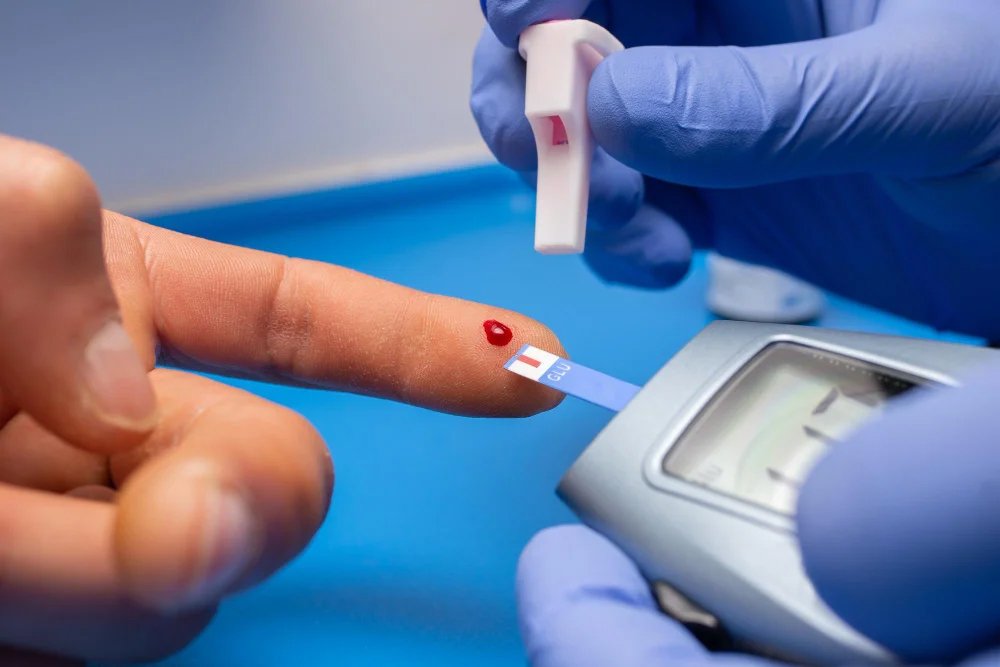
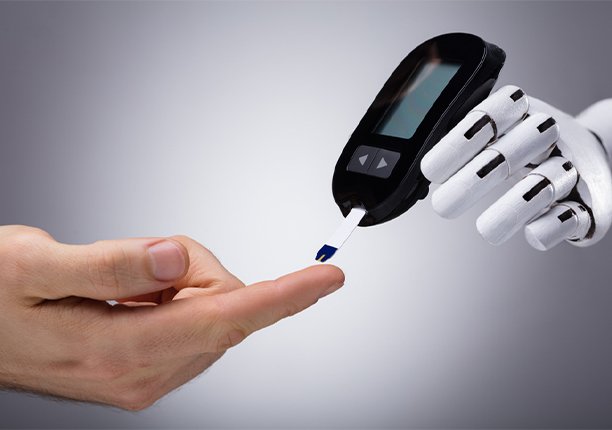
The Diabetology Department at RyseWell Multispeciality Hospital, Pune, offers comprehensive and personalized care for effective diabetes management. From continuous glucose monitoring and advanced insulin therapy to medication optimization and lifestyle guidance, our experts ensure your sugar levels stay in balance while improving your overall wellbeing.
Cardiology
The Cardiology Department at RyseWell Multispeciality Hospital, Pune, provides comprehensive heart care, from preventive check-ups and non-invasive diagnostics to advanced cardiac interventions. Every service is designed to detect, treat, and prevent heart conditions with precision and compassion.
Homoeopathy
The Homeopathy Department at RyseWell Multispeciality Hospital, Pune, led by Dr. Vidya Palve, specializes in treating chronic and lifestyle-related conditions using safe, natural remedies. Patients seeking holistic, side-effect-free care for diabetes, hormonal imbalance, allergies, or skin conditions will find personalized homeopathic solutions that restore balance and promote lasting wellness.
Endocrinology
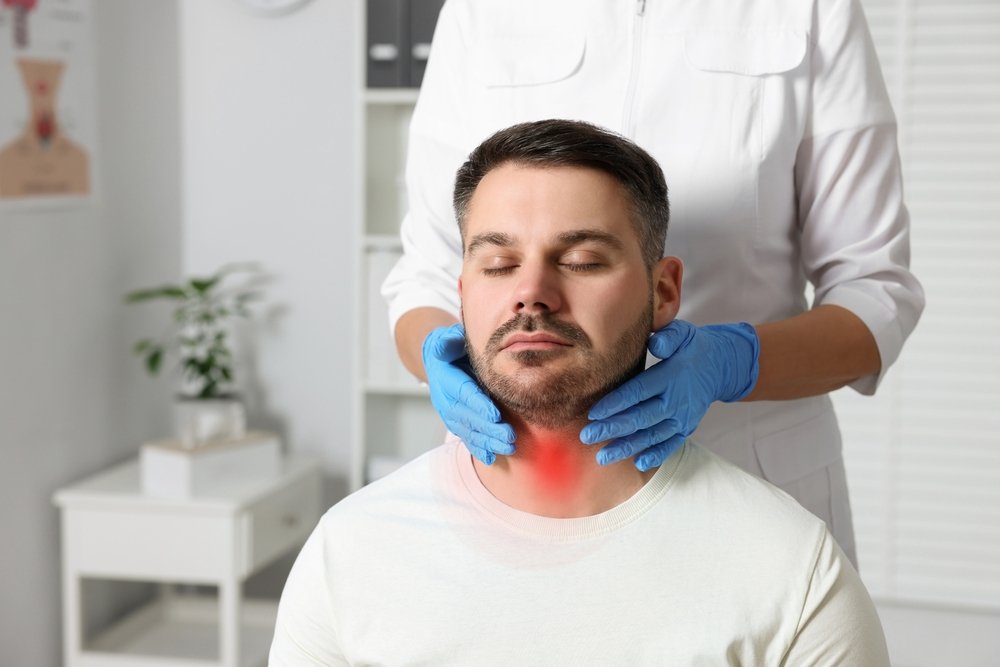
The Endocrinology Department at RyseWell Multispeciality Hospital, Pune, provides expert care for hormonal and metabolic disorders that impact daily health, energy, and overall vitality.Patients seeking personalized treatment for thyroid imbalance, diabetes, osteoporosis, adrenal, or pituitary disorders will find advanced, compassionate, and technology-driven care designed to restore balance and long-term wellness.
Your Health. Our Personalized Approach.
Our Diagnostic Specialties
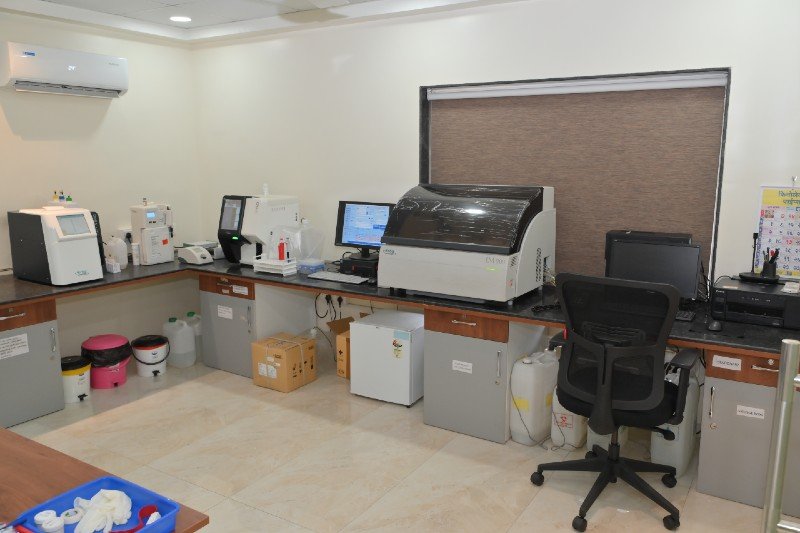
Our advanced diagnostic centre in Pune provides accurate, timely diagnoses to ensure the best treatment outcomes. We take pride in being a trusted name when searching for the best diagnostic centre near you.Pathology (In-House Lab Tests)
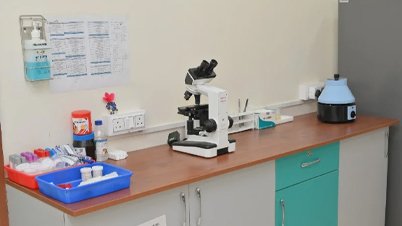
Our state-of-the-art pathology lab offers a wide range of blood tests, including specialized diabetes panels. If you’re looking for the best blood test lab near you, our facility guarantees reliable results and precise diagnosis.
Cardiology Tests (TMT, ECG, ABPM)
We provide advanced diagnostics for heart health, including ECG, echocardiograms, and stress tests. Patients seeking a trusted cardiologist in Pune can rely on us for comprehensive cardiac evaluations.
Respiratory Care (PFT)
Our respiratory diagnostics help detect and treat pulmonary issues, ensuring overall wellness. Our diagnostic centre in Pune provides complete lung function tests with accurate, timely results.
Continuous Glucose Monitoring
Our Continuous Glucose Monitoring System provides real-time insights into your blood glucose levels. This advanced technology helps manage diabetes more effectively, allowing for timely adjustments to your treatment plan and improved health outcomes.
Comprehensive Multispeciality Care, Tailored to You
Our HealthCare Package
Our HealthCare Package descriptionUrine Routine Analysis | SERUM UREA | SERUM CREATININE | SERUM URIC ACID | Serum Electrolytes (Sodium/Potassium/Chloride) | eGFR | CBC | Urinary Albumin : Creatinine Ratio
CBC | VITAMIN B12 | VITAMIN D3
CBC AND ESR | CRP | WIDAL TEST | URINE ROUTINE | SERUM ELECTROLYTES | RAPID MALARIA ANTIGEN DETECTION TEST | DENGUE NS1 ANTIGEN | DENGUE (QUALITATIVE TEST) IgG,IgM
CBC | SERUM IRON | SERUM TIBC | SERUM FERRITIN | VITAMIN B12 | VITAMIN D3 | SERUM FOLIC ACID
BP | HEIGHT | WEIGHT | BMI | Blood Sugar - Fating | Urine Routine Analysis | ECG | SERUM UREA | SERUM CREATININE | SERUM URIC ACID | LIPID PROFILE | eGFR | Serum Electrolytes (Sodium/Potassium/Chloride) | CBC | Urinary Albumin : Creatinine Ratio
Investigations | Blood Sugar (Fasting / Post Prandial) | HBA1C (Glycosylated Hemoglobin) | Urine Routine Analysis
CBC | Thyroid Profile (T3,T4,TSH)
CBC | ECG | Treadmill test /Stress Test (Conducted at Center) | CPK - MB | TROPONIN - T (Qualitative)
Cutting-Edge Medical Technology
We walk an extra mile for our patients

All-in-One Multispeciality Excellence
Why juggle multiple appointments when you can get complete care under one roof? At RyseWell Multispeciality Hospital, we bring together top-tier specialists, diagnostics and treatment facilities, ensuring a seamless, coordinated experience that always puts your health first. No more running around, just exceptional, personalized, and technology-enabled care for every stage of life.
Smart Tech, Smarter Health
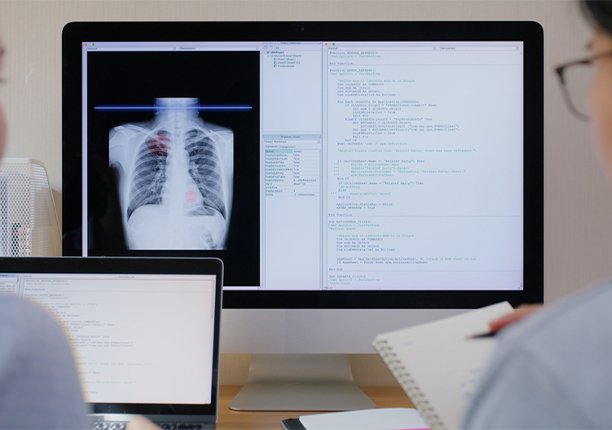
Stay in control of your health with RyseWell’s advanced medical technology. From AI-powered health monitoring to Continuous Glucose Monitoring Systems (CGMS), we use intelligent tools that track, analyze, and adapt to your unique needs in real time
Care as Unique as You Are
At RyseWell Multispeciality Hospital (formerly Dr. Palve Hospital), we believe healthcare should never be one-size-fits-all. Every patient receives a personalized care plan designed around their lifestyle, goals, and needs.
More Than Medicine—Holistic Healing
At RyseWell Multispeciality Hospital, we look beyond symptoms to understand the whole you.Our holistic approach focuses on finding and treating the root cause of health concerns, helping prevent complications before they arise. With us, care isn’t just about managing a condition; it’s about empowering you to live healthier, happier, and more balanced every day.
Empowering Health Beyond Our Walls
At RyseWell Multispeciality Hospital, we believe healthcare doesn’t end at the hospital door, it begins in the community.Through regular health camps, wellness workshops, and awareness programs, we reach thousands across Pune, guiding them toward preventive care and better health management. From educating students on lifestyle diseases to empowering families with practical wellness insights, we’re building a culture of health, one informed, confident individual at a time.
Pioneering Tomorrow’s Diabetes Care
The future of diabetes care is happening here. With plans to expand our facilities and integrate the latest innovations, Dr. Palve Cardio Diabetic Center is at the forefront of redefining how we manage and treat diabetes. Get ready for the next level of care.
Schedule a Consultation Today
Personalized Care You Can Trust
Blogs
Why Regular Health Screening Matters Even Without Symptoms
Highlights Many serious health conditions develop silently, without early symptoms Preventive health screening helps detect problems before complications begin Routine blood tests can reduce treatment cost, stress, and long-term health risks Palve Labs supports early detection through accurate, timely, preventive diagnostics Introduction: “I Feel Fine, So I Don’t Need Tests” – A Common Myth “I feel healthy. I don’t have any symptoms. Why should I get tested?” This is one of the most common reasons people delay health checkups. Unfortunately, it’s also one of the most risky assumptions. Many lifestyle-related and chronic conditions such as diabetes, high blood pressure, thyroid disorders, and early heart disease often develop quietly. By the time symptoms appear, the condition may already be advanced. Preventive health screening focuses on detecting problems early, often years before symptoms begin. For working professionals, parents, and adults managing stress-filled routines, routine testing is no longer optional — it’s a smart health decision. At Palve Labs, preventive diagnostics are designed to help individuals understand their health early, accurately, and conveniently, so timely action can be taken. What Is Preventive Health Screening? Preventive health screening refers to routine medical tests done even when you feel healthy. These tests look for early changes in the body that may indicate developing health issues. Preventive vs Diagnostic Testing Preventive testing: Done before symptoms appear, to identify early risks Diagnostic testing: Done after symptoms develop, to confirm disease Preventive testing allows doctors to intervene early, often with lifestyle changes or simple treatment, instead of managing complications later. Common Conditions That Show No Early Symptoms Many common health conditions remain silent in their early stages: Diabetes – Blood sugar can rise for years without noticeable symptoms High blood pressure – Often called the “silent killer” High cholesterol – No pain or warning signs until heart risk increases Thyroid disorders – Fatigue or weight changes are often ignored Early heart disease – Can progress quietly before a cardiac event Liver and kidney conditions – Damage can occur long before symptoms This is why preventive blood tests play a crucial role in early disease detection. Why Waiting for Symptoms Can Be Risky Delaying health screening until symptoms appear can lead to: Advanced disease at diagnosis More complex and costly treatment Longer recovery time Reduced quality of life Higher risk of complications Early detection often means simpler treatment, better outcomes, and peace of mind. Key Health Tests Everyone Should Consider Preventive health screening usually includes a combination of essential blood tests: Core Preventive Tests Blood sugar tests (Fasting / HbA1c) – Diabetes risk assessment Lipid profile – Cholesterol and heart health Thyroid function tests (TSH, T3, T4) – Hormonal balance Complete Blood Count (CBC) – Anemia, infection, immunity Liver function tests (LFT) – Liver health and metabolism Kidney function tests (KFT) – Kidney efficiency and waste removal Additional Tests (Based on Risk) Heart risk markers Vitamin deficiencies Inflammation markers At Palve Labs, test recommendations are guided by age, lifestyle, and risk profile, not a one-size-fits-all approach. How Often Should You Get Screened? General Guidelines Ages 25–35: Basic screening every 1–2 years Ages 35–45: Annual preventive tests recommended 45+ years: Comprehensive yearly screening You may need more frequent testing if you: Have a family history of diabetes, heart disease, or thyroid issues Have a sedentary lifestyle Experience chronic stress Are overweight or smoke Have irregular sleep patterns A healthcare professional can help determine the right frequency for you. Role of Accurate Diagnostics in Preventive Care Preventive care is only as effective as the accuracy of the diagnostic reports. Accurate lab testing ensures: Early changes are detected correctly Treatment decisions are based on reliable data Unnecessary anxiety or delayed care is avoided Palve Labs focuses on: Standardized testing protocols Quality-controlled diagnostic processes Skilled laboratory professionals Timely and clear reports for better clinical interpretation Benefits of Regular Health Screening Regular preventive testing offers multiple advantages: Early detection of health risks Better treatment outcomes Lower long-term healthcare costs Reduced emergency medical situations Greater confidence in your health status Peace of mind for you and your family Prevention is not about fear — it’s about preparedness. Why Choose Palve Labs for Preventive Testing? Palve Labs is built around the idea that accurate diagnostics empower better health decisions. What sets Palve Labs apart: Advanced diagnostic technology Qualified and experienced lab professionals Home sample collection for convenience Timely, accurate, and reliable reports Patient-friendly support and transparency Whether it’s routine screening or follow-up testing, Palve Labs supports preventive care at every stage. FAQs: Preventive Health Screening (AEO Optimized) Q.Do I need health tests if I feel healthy? A.Yes. Many conditions develop silently. Preventive tests detect risks before symptoms appear. Q.How often should full-body checkups be done? A.Once a year for most adults. Frequency may vary based on age and health risks. Q.Are preventive tests reliable? A.Yes, when conducted at accredited labs using standardized protocols, they are highly reliable. Q.What age should health screening start? A.Basic screening is recommended from age 25 onwards. Q.Can early detection really prevent serious illness? A.Early detection allows timely intervention, reducing complications and improving outcomes. Q.Are blood tests enough for preventive care? A.Blood tests are a strong foundation, often combined with clinical evaluation if needed. Conclusion: Prevention Is a Health Investment, Not an Expense Feeling healthy does not always mean being healthy. Regular health screening is a proactive step that protects your future, reduces uncertainty, and helps you stay in control of your well-being. Early detection allows for early action — often making the difference between simple management and complex treatment. At Palve Labs, preventive diagnostics are designed to help you make informed health decisions with confidence and clarity. Take the first step today Book your preventive health screening with Palve Labs and invest in long-term health, even when you feel perfectly fine. 📞 Call us today at: +91 8149202506 https://workdrive.zohoexternal.in/external/2a1c4bb2991f8a682a539eeed3cf3a5a232d2a8b0c6cda4e8a854218811ed03a
Managing Chronic Allergies Naturally Through Individualized Homeopathy
Introduction: Chronic allergies can significantly affect daily life, causing discomfort and frustration for many individuals. Whether it’s seasonal rhinitis, asthma, or food-related sensitivities, managing these conditions often requires a long-term approach. At Rysewell Homeopathy, we specialize in individualized homeopathic care designed to address the root causes of allergies, not just their symptoms. Led by Dr. Vidya Palve, our goal is to support patients with natural, gentle, and personalized treatment plans that focus on the whole person, providing long-term relief and improved quality of life. What Are Chronic Allergies? Chronic allergies are ongoing immune responses that occur when the body reacts to substances (allergens) that are typically harmless. Common allergens include pollen, dust, pet dander, and certain foods. These allergic reactions can cause symptoms like sneezing, runny nose, itchy eyes, and skin rashes, while more severe cases may involve asthma or chronic sinusitis. Common Triggers: Pollen (seasonal allergies) Dust mites and mold Pet dander Certain foods and chemicals Typical Symptoms: Sneezing and nasal congestion Itchy or watery eyes Wheezing or shortness of breath Skin rashes and hives How Conventional Medicine Manages Allergies Conventional medicine often addresses allergies through antihistamines, inhalers, allergy shots (immunotherapy), and avoidance strategies. These treatments provide symptomatic relief but may not address the underlying causes of the immune system’s overreaction. When symptoms worsen or become chronic, patients may be referred to specialists for further management. However, conventional treatments typically focus on symptom control rather than long-term immunity boosting. When to Seek Urgent Care: Severe difficulty breathing Swelling of lips, tongue, or throat Persistent, worsening symptoms despite medication High fever or signs of infection What Is Individualized Homeopathy? Individualized homeopathy takes a personalized, holistic approach to health care. Unlike conventional treatments that treat symptoms in isolation, homeopathy looks at the entire person: physical, mental, and emotional states. Each person’s treatment plan is tailored based on a thorough assessment of their symptoms, lifestyle, family history, and constitution. Homeopathic Approach: Constitutional care: Identifying the root cause of imbalances. Remedy selection: Choosing the right remedy based on symptoms and the individual’s overall health. Follow-up care: Continuous monitoring and adjustment of remedies to ensure long-term benefits. At Rysewell Homeopathy, Dr. Vidya Palve focuses on identifying the specific allergens and triggers affecting each patient, offering personalized remedies to gently support the body’s self-healing process. How Homeopathy Can Support People with Chronic Allergies Homeopathy offers natural relief by addressing both the physical and underlying emotional factors contributing to chronic allergies. Here’s how it can be beneficial: Symptom Reduction: Homeopathic remedies can help reduce common allergy symptoms like sneezing, runny nose, and itchy eyes. Improved Tolerance: Over time, the immune system’s sensitivity to allergens can decrease, leading to fewer flare-ups. Better Sleep: By managing the symptoms of allergies, especially nasal congestion and wheezing, homeopathy helps improve sleep quality. Fewer Acute Flare-Ups: With consistent treatment, the frequency and severity of allergy flare-ups can decrease. Summary of Key Research and Clinical Evidence Several studies support the efficacy of homeopathy in managing allergic conditions. Here’s a brief overview: Systematic Review on Homeopathy for Allergic Rhinitis A 2017 systematic review found that homeopathic treatments may improve symptoms of allergic rhinitis with a reduction in nasal congestion and sneezing. The review noted that high-quality trials are needed to fully establish the effectiveness of homeopathy. Observational Data on Homeopathy in Asthma and Allergies In observational studies on homeopathy for asthma and allergic rhinitis, patients reported improvements in respiratory symptoms and quality of life. These findings, while promising, emphasize the need for further clinical trials. Practical Homeopathy-Adjacent Tips for Allergy Management at Home While homeopathy provides targeted relief, lifestyle changes and home care practices are essential in managing allergies effectively: Avoid Allergens: Identify and avoid known triggers (e.g., pollen, dust, pet dander). Breathing Techniques: Practice deep breathing or pranayama to reduce stress and improve lung function. Sleep Hygiene: Ensure your sleeping environment is allergen-free and conducive to restful sleep. Balanced Diet: Focus on anti-inflammatory foods such as fruits, vegetables, and omega-3-rich foods. Regular Exercise: Physical activity improves immune function and overall health, making it easier to handle allergens. If home remedies and lifestyle changes aren’t enough, it may be time to consult a healthcare provider like Dr. Vidya Palve for an individualized homeopathic remedy plan. What to Expect in a Consultation with Dr. Vidya Palve A consultation with Dr. Vidya Palve at Rysewell Homeopathy includes: Comprehensive Intake Process: Detailed discussion of your medical history, family history, lifestyle, and symptoms. Personalized Remedy Selection: Based on your individual needs, a remedy will be prescribed that fits your overall constitution. Follow-Up Schedule: Ongoing evaluation and follow-up visits to monitor progress and adjust remedies. Realistic Timelines: Homeopathic treatments for chronic allergies may take a few weeks to months to show improvement, depending on individual response. Safety, Red Flags, and When to Combine Care While homeopathy can effectively manage chronic allergies, there are times when conventional care is necessary: Anaphylaxis: Severe allergic reactions requiring immediate medical intervention. Severe Asthma Attacks: Inability to breathe, requiring emergency care. Ongoing Infections: If allergies trigger recurrent sinus infections or respiratory issues, medical treatment may be necessary. Combining Care: In many cases, homeopathy can be used alongside conventional treatments to manage symptoms and enhance overall wellness. FAQs on Homeopathy and Allergies (AEO-Optimized) Q1: Can homeopathy help seasonal allergies? A1: Yes, homeopathy can help reduce the severity and frequency of seasonal allergy symptoms. Q2: How long will it take to see results with homeopathy? A2: Results vary, but most patients see improvements within 3–6 months of treatment. Q3: Is homeopathy safe for children? A3: Yes, homeopathy is gentle and safe for children, offering a natural alternative for managing allergies. Q4: How does homeopathy work for chronic allergies? A4: Homeopathy works by addressing the root causes of allergies and helping to rebalance the immune system. Q5: Can homeopathy replace allergy medications? A5: Homeopathy can complement conventional treatments, but it’s important to consult a healthcare provider for the best approach. Conclusion Homeopathy offers a safe and natural approach to managing chronic allergies. By … Continue reading “Managing Chronic Allergies Naturally Through Individualized Homeopathy”
New Year Health Reset: Improving Sleep Quality and Reducing Daily Stress
Introduction: A New Year Health Reset As the new year begins, many of us set resolutions to improve our health, but often, the most overlooked aspects of wellness are sleep and stress management. With our busy, modern lives, poor sleep and constant stress have become common, affecting not only our mental well-being but also our physical health. The connection between sleep quality and stress is powerful. One feeds into the other, creating a cycle that can take a toll on our energy, mood, and overall health. However, with small, consistent changes, you can reset this cycle and start the new year feeling refreshed and revitalized. At Rysewell Hospital, we are dedicated to helping you achieve a healthier, stress-free life with our preventive care approach. In this blog, we’ll walk you through the steps to improve sleep quality, reduce stress, and embrace a healthy lifestyle in 2025. Why Sleep and Stress Are Closely Connected Sleep and stress share a two-way relationship. Here’s how they affect each other: Stress Affects Sleep: When you are stressed, your body produces higher levels of cortisol, the stress hormone. Elevated cortisol levels can make it difficult for your body to relax, preventing you from falling or staying asleep. Poor Sleep Increases Stress: Lack of sleep affects the brain’s ability to regulate emotions and handle stress. When you’re sleep-deprived, you’re more likely to feel overwhelmed by the stresses of daily life, creating a vicious cycle. Health Impact: Over time, poor sleep and high stress can lead to serious health problems such as anxiety, depression, high blood pressure, heart disease, and weakened immunity. Managing both is essential for your long-term well-being. Signs Your Body Needs a Health Reset If you’re struggling with sleep or stress, it’s important to recognize the signs that indicate your body needs a reset. Some common symptoms include: Difficulty falling or staying asleep Waking up feeling tired or unrefreshed Irritability or anxiety Low energy and poor focus Frequent headaches or body aches These signs indicate that your body is not operating at its best and could benefit from lifestyle adjustments, medical consultations, and consistent care. Common Causes of Poor Sleep and Daily Stress Several factors contribute to poor sleep and high stress levels, especially in the urban Indian context. These include: Screen Time and Late Nights: The blue light from screens interferes with melatonin production, making it harder to fall asleep. Late-night screen time, especially before bed, is a major contributor to poor sleep. Work Pressure and Irregular Schedules: With demanding jobs and irregular work schedules, many people struggle to establish a consistent sleep routine. Work pressure adds to stress, further disrupting sleep patterns. Poor Diet and Caffeine Intake: Consuming caffeine or heavy meals late in the day can disrupt sleep. Poor dietary choices can also exacerbate stress and lead to poor sleep quality. Lack of Physical Activity: Physical activity reduces stress and helps you sleep better. A sedentary lifestyle contributes to weight gain and increased stress levels, which can negatively affect sleep. Mental Overload: Constant worry, anxiety, and unresolved emotional issues increase stress, leading to sleep disturbances. Practical Tips to Improve Sleep Quality Here are some effective, medically recommended strategies to improve your sleep quality: 1. Maintain a Consistent Sleep Routine Go to bed and wake up at the same time every day, even on weekends. This helps regulate your body’s internal clock, making it easier to fall asleep and wake up. 2. Reduce Screen Exposure Avoid screens (phones, computers, TV) at least 30–60 minutes before bed. The blue light emitted by screens can interfere with the production of melatonin, making it difficult to sleep. 3. Create a Relaxing Bedroom Environment Make your bedroom conducive to sleep. Keep it dark, quiet, and cool. Consider using blackout curtains, earplugs, or a white noise machine to block out distractions. 4. Nutrition and Hydration Avoid heavy meals, caffeine, and alcohol late in the evening. Focus on light meals and stay hydrated throughout the day. Avoid drinking too much fluid right before bed to reduce nighttime bathroom trips. 5. When Naps Help and When They Don’t Napping can be beneficial if you’re sleep-deprived, but long or late naps can interfere with your nighttime sleep. Keep naps brief (15–30 minutes) and earlier in the day. Effective Ways to Reduce Daily Stress Managing stress is as important as improving sleep quality. Here’s how you can reduce daily stress effectively: 1. Stress Management Techniques Practice mindfulness, meditation, or deep breathing exercises. These techniques help calm the mind and reduce stress hormone levels, improving both your emotional well-being and sleep quality. 2. Physical Activity Exercise releases endorphins, which are natural stress-relievers. Regular physical activity such as walking, yoga, or swimming helps reduce anxiety and promotes better sleep. 3. Time Management Habits Prioritize tasks and set realistic goals. Break large tasks into smaller, manageable steps to reduce the pressure and stress you may feel. Organize your time to include breaks and relaxation periods. 4. Set Boundaries Learn to say no to extra work or commitments that cause unnecessary stress. Protect your personal time to ensure you can relax and rejuvenate. When Lifestyle Changes Are Not Enough While lifestyle changes are important, sometimes poor sleep or chronic stress might indicate an underlying medical condition. If you continue to experience significant difficulty with sleep or stress management, it may be time to seek professional help. Conditions like insomnia, sleep apnea, anxiety, depression, and hormonal imbalances can interfere with your sleep and stress levels. Consulting with a doctor can help identify the root causes and ensure timely intervention. Rysewell Hospital offers sleep studies, stress evaluations, and mental health assessments to get to the heart of your sleep and stress concerns. How Rysewell Hospital Can Support Your Health Reset At Rysewell Hospital, we are committed to helping you achieve a healthier lifestyle. Our services include: General Medicine Consultations for sleep and stress-related issues Preventive Health Checkups to monitor overall health and prevent complications Stress and Sleep-related Evaluations to identify … Continue reading “New Year Health Reset: Improving Sleep Quality and Reducing Daily Stress”
Heart Health at 30: Preventive Care & Screenings at Dr. Palve Labs
Heart Health at 30: Why You Need to Start Caring Now As you enter your 30s, it might feel like you’re still in the prime of your health, but heart disease is a silent risk that can start developing early. While many people think that cardiovascular problems only affect older individuals, the reality is that poor lifestyle choices and genetic predispositions can begin taking a toll on your heart long before you reach 40. At Dr. Palve Labs, we emphasize the importance of early detection and preventive care when it comes to heart health. Understanding how your habits today can impact your heart tomorrow will help you take proactive steps toward a healthier future. 1. The Silent Risk of Heart Disease: Why You Should Start Screening at 30 The risk of developing heart disease increases with age, but it is essential to start monitoring your heart health in your 30s. This is the decade when lifestyle choices such as diet, exercise, and stress management can make or break your long-term cardiovascular health. Dr. Anjali Kumar, a renowned cardiologist, suggests that even if you feel perfectly healthy, it’s crucial to start routine screenings for heart disease in your 30s. Early detection can help manage risk factors like high cholesterol, high blood pressure, and family history of heart disease, ensuring that you stay ahead of potential issues. 2. Key Screenings Every 30-Year-Old Should Get to Monitor Heart Health If you’re over 30, it’s time to take proactive steps to ensure your heart stays healthy. Here are the most important heart health screenings that Dr. Palve Labs recommends for individuals in their 30s: Lipid Profile Test A lipid profile measures cholesterol levels, including LDL (bad cholesterol) and HDL (good cholesterol). Imbalances, such as high LDL levels or low HDL levels, can contribute to plaque buildup in the arteries, increasing the risk of heart attacks and strokes. Why it matters: High cholesterol is a silent killer. Getting tested regularly can help you make adjustments to your diet and lifestyle to keep your heart healthy. ECG (Electrocardiogram) An ECG helps detect abnormalities in the electrical activity of the heart, such as arrhythmias (irregular heartbeats). Even if you don’t feel symptoms, an ECG can help identify potential heart issues that might go unnoticed. Why it matters: Early detection of arrhythmias can prevent serious complications like heart failure or stroke. Blood Pressure Monitoring High blood pressure (hypertension) is a major risk factor for heart disease, often referred to as a “silent disease” because it rarely shows symptoms. Regular blood pressure checks are crucial to managing this risk. Why it matters: Consistent high blood pressure can damage the heart and blood vessels over time, leading to strokes and heart failure. 3. The Impact of Diet and Lifestyle on Your Heart Health Your 30s are the perfect time to evaluate your dietary habits and exercise routines because these choices directly affect your heart health. Dr. Kumar emphasizes the importance of maintaining a healthy weight, managing stress, and eating a balanced diet rich in fruits, vegetables, whole grains, and lean proteins. Healthy Heart Tips: Exercise regularly: Aim for at least 30 minutes of physical activity, 5 days a week, to keep your heart strong. Eat heart-healthy foods: Incorporate foods that lower cholesterol, such as oats, avocados, nuts, and fatty fish. Manage stress: Chronic stress can increase your risk of heart disease. Practicing mindfulness, meditation, or yoga can help reduce stress levels. 4. When to Start Screening Based on Your Risk Factors While 30 is a good starting point for preventive heart health screenings, certain risk factors can make it essential to start earlier. If you have a family history of heart disease, diabetes, or high cholesterol, consider starting screenings before age 30. Dr. Palve Labs offers personalized screenings based on your family history and lifestyle. If you have any of the following, talk to your doctor about starting screenings earlier: Family history of heart disease Obesity or being overweight High blood pressure Smoking or excessive alcohol consumption 5. Benefits of Early Detection and Preventive Care By getting regular heart screenings, you can detect issues like high cholesterol or high blood pressure early, when they are easier to treat. Preventive care helps reduce the risk of developing serious heart conditions later in life. At Dr. Palve Labs, we offer comprehensive heart health screenings that allow you to take action before heart disease progresses. With early intervention, lifestyle changes, and medication, most heart issues can be managed effectively, leading to a longer, healthier life. Take Charge of Your Heart Health Today Your 30s are a critical time for taking care of your heart. Starting preventive screenings now can help you maintain optimal heart health for the decades to come. At Dr. Palve Labs, we’re here to help you monitor your heart health with reliable tests, expert guidance, and personalized care. Book your heart health screening today and take proactive steps toward a healthier future. Don’t wait—schedule your check-up with Dr. Palve Labs now. 📞 Call us today at: +91 8149202506 FAQ Section: Why should I start heart health screenings in my 30s? Heart disease can develop early, and preventive screenings help catch potential issues before they become serious. What tests are included in heart health screenings? Key tests include lipid profiles, ECG, and blood pressure monitoring. How often should I get a lipid profile or ECG? It’s recommended to get a lipid profile every 5 years and an ECG based on your risk factors. Talk to your healthcare provider for personalized advice. Can lifestyle changes really improve heart health? Yes! Exercise, a healthy diet, and stress management are all crucial to maintaining heart health, and regular screenings help monitor your progress.
The Power of Epigenetics: How Homeopathy Can Help Manage Genetic Predispositions to Chronic Diseases
Introduction: Understanding Epigenetics and Genetic Predisposition Epigenetics is the study of how environmental factors can affect gene expression without changing the underlying DNA sequence. While genetic predisposition refers to the inherited traits and conditions passed down through families, epigenetics shows how these genetic factors can be influenced by lifestyle, environment, and experiences. For example, someone with a genetic predisposition to diabetes, heart disease, or autoimmune conditions might not develop these conditions if certain environmental triggers (like diet, stress, or toxins) are managed effectively. This is where homeopathy comes in, offering natural remedies that work at the constitutional level to help manage these triggers, support self-healing, and potentially prevent the expression of inherited conditions. In this blog, we’ll explore how homeopathy can assist in managing genetic predispositions and help address the underlying causes of chronic diseases, promoting overall health and balance. How Epigenetics Affects Health and Disease Genetic predisposition is just one part of the story. Environmental factors such as diet, stress, pollution, and lifestyle can modify gene expression, leading to the development or prevention of diseases. This means that while your genes might increase the risk of certain diseases, how you live your life can play a significant role in whether or not those diseases develop. Conditions like diabetes, autoimmune diseases, and cardiovascular conditions often have a genetic component, but they can also be triggered or exacerbated by environmental factors. By managing these triggers, it’s possible to reduce the risk of disease manifestation, even when there is a genetic predisposition. Homeopathy: A Natural Path to Managing Genetic Predispositions Homeopathy offers a holistic approach to health by treating the whole person, not just the symptoms. By addressing the underlying causes of illness and promoting balance, homeopathic remedies can help manage the environmental triggers that may cause genetically predisposed conditions to manifest. Here’s how homeopathy can help manage these chronic diseases: 1. Strengthening the Immune System Homeopathic remedies are designed to stimulate the body’s self-healing capacity. By strengthening the immune system, homeopathy can help reduce the likelihood of autoimmune conditions (such as rheumatoid arthritis, Hashimoto’s thyroiditis, or multiple sclerosis) from flaring up. For example, Arsenicum album, a commonly used homeopathic remedy, is often used to treat autoimmune conditions by supporting the body’s natural healing abilities and reducing stress. 2. Managing Stress and Emotional Health Stress is a known trigger for many chronic conditions, including heart disease, digestive disorders, and diabetes. Homeopathy has a deep connection with emotional well-being, addressing the root causes of stress that often lead to physical ailments. Remedies like Ignatia or Nux Vomica are frequently used for stress-induced conditions and can help restore emotional balance, reducing the impact of genetic predispositions. 3. Detoxifying and Supporting Organ Function Homeopathic remedies also work by detoxifying the body, which is essential for those with a genetic predisposition to conditions like heart disease or liver issues. For instance, remedies like Chelidonium and Carduus marianus are known to support liver health, which is critical for managing the symptoms of genetically predisposed conditions like non-alcoholic fatty liver disease (NAFLD). 4. Hormonal Balance and Metabolic Health For individuals genetically predisposed to hormonal imbalances (like PCOD, thyroid dysfunction, or diabetes), homeopathy can play a key role in restoring balance. Remedies like Sepia and Calcarea carbonica are often used to address hormonal issues, improve insulin sensitivity, and regulate metabolic processes, which can reduce the risk of diseases such as diabetes or thyroid disorders. 5. Addressing Chronic Conditions Holistically Homeopathy treats chronic conditions by focusing on the individual’s constitution rather than just targeting a specific symptom. Remedies are selected based on the person’s physical, mental, and emotional states, ensuring a tailored approach. This holistic method can help in managing conditions like chronic fatigue syndrome, migraines, and digestive disorders, all of which may be triggered by genetic factors and lifestyle. Research and Evidence Supporting Homeopathy While homeopathy has long been practiced worldwide, research supporting its efficacy is growing. Studies have shown that homeopathic remedies can modulate the immune system, reduce inflammation, and support mental wellness—all of which are essential for managing genetic predispositions to chronic diseases. A 2014 study published in the Journal of Complementary and Alternative Medicine found that homeopathic treatments could improve quality of life and symptom management in patients with chronic illnesses. Clinical trials have also indicated that homeopathic treatments like Nux Vomica and Sulphur can reduce the risk of cardiovascular diseases by promoting heart health and improving blood circulation. While more large-scale studies are needed, existing research, combined with patient success stories, highlights homeopathy’s role in managing chronic conditions and preventing genetic diseases from manifesting. Real-Life Success Stories of Homeopathy’s Impact At RyseWell Homeopathy, we have successfully treated numerous individuals with genetic predispositions, helping them improve in key health areas. Here are some real-life examples: Case 1: PCOD Relief in a Young Woman A young woman with a family history of PCOD (Polycystic Ovary Syndrome) sought homeopathic treatment at RyseWell Homeopathy to prevent the onset of symptoms. After taking Sepia and Calcarea carbonica, her hormonal levels normalized, and her menstrual cycles became more regular. The treatment successfully prevented the development of full-blown PCOD. Case 2: Managing Diabetes Risk A middle-aged man with a family history of diabetes used homeopathy as a preventive measure. Remedies like Syzygium jambolanum were prescribed to help improve blood sugar control and reduce insulin resistance, keeping him healthy and preventing the onset of diabetes. Conclusion: The Natural Path to Health Homeopathy offers a natural, safe, and personalized approach to managing genetic predispositions to chronic diseases. By addressing the root causes and promoting holistic healing, homeopathy can help individuals reduce their risk of disease and enhance overall well-being. At RyseWell Homeopathy, we are dedicated to providing individualized treatments that promote long-term health. If you are concerned about your genetic predisposition to chronic diseases, book your consultation today to explore how homeopathy can help you lead a balanced and healthier life. Interested in Homeopathy for Genetic Disease Management? Book your consultation at RyseWell Homeopathy and discover natural solutions for better health. 📞 Call: … Continue reading “The Power of Epigenetics: How Homeopathy Can Help Manage Genetic Predispositions to Chronic Diseases”
How to Protect Your Joints: Preventing Common Orthopedic Injuries in Everyday Life
Introduction: The Importance of Joint Health Our joints are crucial for movement, flexibility, and overall daily function. From walking to sitting and lifting, our joints work hard every day to support our bodies. However, as we age or engage in repetitive activities, we can experience joint pain, stiffness, or injuries that may interfere with normal function. At Rysewell Multispeciality Hospital, we understand that joint health is often overlooked until it becomes a serious issue. By taking simple preventive measures, you can protect your joints and avoid common orthopedic injuries like sprains, strains, or joint wear and tear. This blog will guide you on how to care for your joints, prevent injuries, and know when to seek professional help. Understanding Common Orthopedic Injuries Orthopedic injuries can affect various parts of the body, including bones, muscles, ligaments, tendons, and joints. Below are some common types of orthopedic injuries: 1. Sprains and Strains Sprains occur when ligaments are stretched or torn, while strains affect muscles or tendons. Both injuries can occur due to overexertion, sudden movements, or improper technique during physical activities. 2. Joint Pain and Stiffness Joint pain is a common complaint, often linked to aging, physical activity, or underlying conditions like osteoarthritis. This pain can range from mild discomfort to severe, chronic pain, making daily tasks difficult. 3. Tendonitis Tendonitis is the inflammation of a tendon, typically caused by repetitive motion or overuse of a joint. It is common in activities like sports, work tasks, or hobbies that require repetitive movements. 4. Bursitis Bursitis is the inflammation of the fluid-filled sacs (bursae) that cushion the joints. It often results from overuse or trauma to the affected area. 5. Fractures and Dislocations Fractures occur when bones break, while dislocations happen when bones in a joint are forced out of their normal position. These injuries can result from falls, accidents, or extreme force. How to Protect Your Joints: Preventing Common Injuries Protecting your joints and avoiding orthopedic injuries requires conscious effort and self-care. Here are some ways to maintain joint health and prevent injuries: 1. Maintain a Healthy Weight Carrying excess weight places additional stress on your joints, especially those in the lower body, such as the knees, hips, and lower back. By maintaining a healthy weight, you reduce the risk of joint pain and conditions like osteoarthritis. Healthy eating and regular exercise can help keep your weight in check and minimize stress on your joints. 2. Stay Active and Exercise Regularly Regular physical activity is essential for joint health. Low-impact exercises such as swimming, walking, or cycling can strengthen the muscles around your joints and improve flexibility. Strengthening your muscles also helps protect joints from injury during physical activities. 3. Warm Up Before Exercise Before any physical activity, it’s important to properly warm up your muscles and joints. Gentle stretching and light aerobic activity increase blood flow to the muscles and help prepare your body for exercise, reducing the risk of strains, sprains, and joint injuries. 4. Use Proper Technique When engaging in physical activities like weightlifting or sports, always use proper technique. This will minimize unnecessary strain on your joints and muscles. For example, when lifting heavy objects, bend at the knees, not at the waist, to protect your lower back and knees. 5. Wear Supportive Shoes Footwear plays a significant role in joint health. Poorly fitted shoes or wearing shoes without proper support can lead to joint pain, especially in the knees, hips, and lower back. Choose shoes that offer proper arch support and cushioning. 6. Take Frequent Breaks from Sitting Prolonged sitting, especially at a desk or workstation, can strain your back and neck. Take breaks every 30 minutes to stand, stretch, and walk around. Sitting with proper posture and adjusting your workspace for ergonomic support also reduces strain on your joints. 7. Stay Hydrated Drinking plenty of water is essential for joint health. Water lubricates the joints and helps maintain their function, reducing friction and the risk of injuries. Aim for at least 8 glasses of water a day. When to Seek Medical Help for Joint Pain While many joint issues can be managed at home, it’s important to know when professional care is needed. If you experience any of the following signs, seek medical help at Rysewell Multispeciality Hospital: Severe or persistent joint pain that doesn’t improve with rest or over-the-counter medication Swelling or redness around the joint, which could indicate an infection or injury Difficulty moving the joint or bearing weight on it Deformities or misalignment of the joint after an injury Chronic stiffness or limited range of motion that doesn’t improve with stretching or physical therapy Fever along with joint pain, which could indicate an infection At Rysewell Multispeciality Hospital, our orthopedic specialists are trained to diagnose and treat a variety of joint and bone issues. From physiotherapy to advanced treatment options like joint injections, we offer a wide range of services to help you recover from joint injuries and prevent long-term damage. Emergency Care at Rysewell Hospitals: Orthopedic Expertise If you suffer from an orthopedic injury that requires immediate attention, Rysewell Hospitals is equipped with state-of-the-art diagnostic tools and pediatric orthopedic services. Our 24/7 emergency department can provide quick relief for joint injuries, fractures, or dislocations, ensuring prompt treatment and faster recovery. FAQs on Joint Protection and Prevention Q1: How can I prevent joint pain from occurring in the first place? A1: Regular exercise, maintaining a healthy weight, proper ergonomics, and using supportive footwear can all help prevent joint pain and injuries. Q2: What should I do if I experience sudden joint pain? A2: Rest, ice, compression, and elevation (R.I.C.E.) can help reduce pain and swelling. If pain persists, seek medical attention from an orthopedic specialist. Q3: Are there specific exercises that help prevent joint injuries? A3: Low-impact exercises like walking, swimming, and cycling strengthen muscles and improve joint flexibility, reducing the risk of injuries. Q4: When should I see an orthopedic doctor for joint pain? A4: If joint pain persists for more … Continue reading “How to Protect Your Joints: Preventing Common Orthopedic Injuries in Everyday Life”