
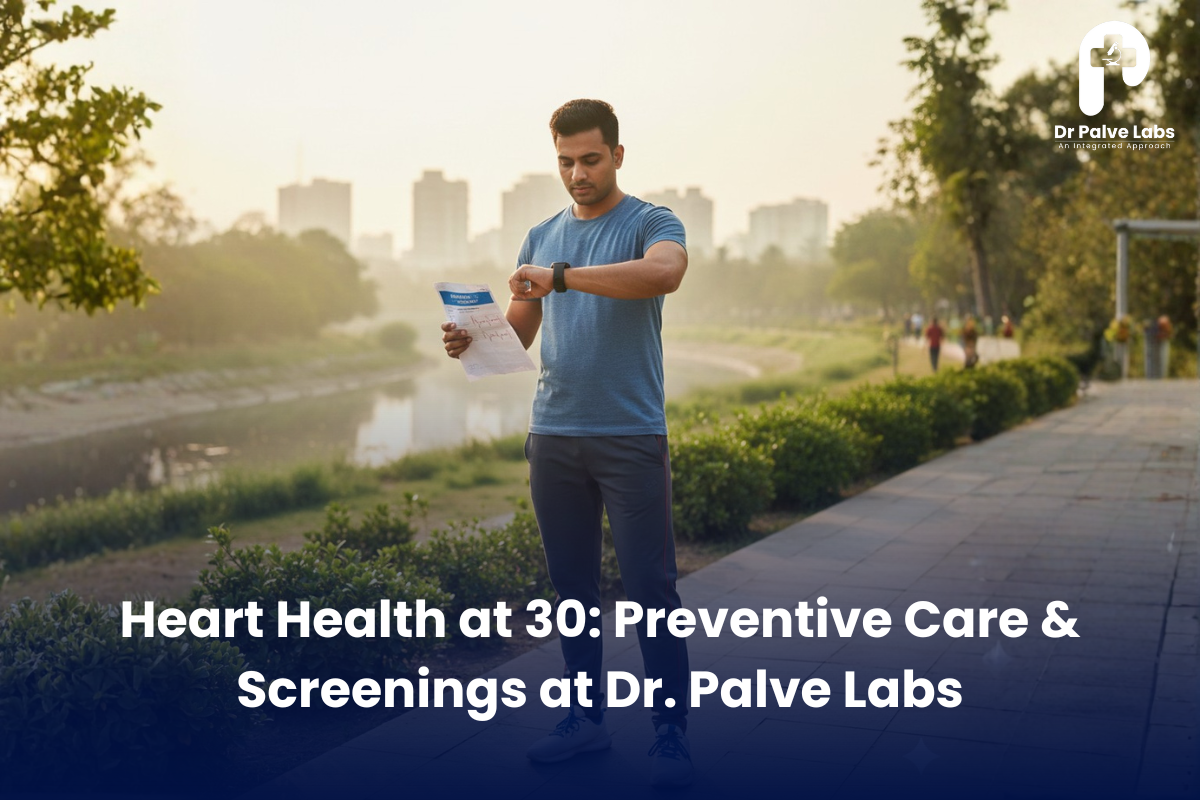
Heart Health at 30: Why You Need to Start Caring Now
As you enter your 30s, it might feel like you’re still in the prime of your health, but heart disease is a silent risk that can start developing early. While many people think that cardiovascular problems only affect older individuals, the reality is that poor lifestyle choices and genetic predispositions can begin taking a toll on your heart long before you reach 40.
At Dr. Palve Labs, we emphasize the importance of early detection and preventive care when it comes to heart health. Understanding how your habits today can impact your heart tomorrow will help you take proactive steps toward a healthier future.
1. The Silent Risk of Heart Disease: Why You Should Start Screening at 30
The risk of developing heart disease increases with age, but it is essential to start monitoring your heart health in your 30s. This is the decade when lifestyle choices such as diet, exercise, and stress management can make or break your long-term cardiovascular health.
Dr. Anjali Kumar, a renowned cardiologist, suggests that even if you feel perfectly healthy, it’s crucial to start routine screenings for heart disease in your 30s. Early detection can help manage risk factors like high cholesterol, high blood pressure, and family history of heart disease, ensuring that you stay ahead of potential issues.
2. Key Screenings Every 30-Year-Old Should Get to Monitor Heart Health
If you’re over 30, it’s time to take proactive steps to ensure your heart stays healthy. Here are the most important heart health screenings that Dr. Palve Labs recommends for individuals in their 30s:
Lipid Profile Test
A lipid profile measures cholesterol levels, including LDL (bad cholesterol) and HDL (good cholesterol). Imbalances, such as high LDL levels or low HDL levels, can contribute to plaque buildup in the arteries, increasing the risk of heart attacks and strokes.
- Why it matters: High cholesterol is a silent killer. Getting tested regularly can help you make adjustments to your diet and lifestyle to keep your heart healthy.
ECG (Electrocardiogram)
An ECG helps detect abnormalities in the electrical activity of the heart, such as arrhythmias (irregular heartbeats). Even if you don’t feel symptoms, an ECG can help identify potential heart issues that might go unnoticed.
- Why it matters: Early detection of arrhythmias can prevent serious complications like heart failure or stroke.
Blood Pressure Monitoring
High blood pressure (hypertension) is a major risk factor for heart disease, often referred to as a “silent disease” because it rarely shows symptoms. Regular blood pressure checks are crucial to managing this risk.
- Why it matters: Consistent high blood pressure can damage the heart and blood vessels over time, leading to strokes and heart failure.
3. The Impact of Diet and Lifestyle on Your Heart Health
Your 30s are the perfect time to evaluate your dietary habits and exercise routines because these choices directly affect your heart health. Dr. Kumar emphasizes the importance of maintaining a healthy weight, managing stress, and eating a balanced diet rich in fruits, vegetables, whole grains, and lean proteins.
Healthy Heart Tips:
- Exercise regularly: Aim for at least 30 minutes of physical activity, 5 days a week, to keep your heart strong.
- Eat heart-healthy foods: Incorporate foods that lower cholesterol, such as oats, avocados, nuts, and fatty fish.
- Manage stress: Chronic stress can increase your risk of heart disease. Practicing mindfulness, meditation, or yoga can help reduce stress levels.
4. When to Start Screening Based on Your Risk Factors
While 30 is a good starting point for preventive heart health screenings, certain risk factors can make it essential to start earlier. If you have a family history of heart disease, diabetes, or high cholesterol, consider starting screenings before age 30.
Dr. Palve Labs offers personalized screenings based on your family history and lifestyle. If you have any of the following, talk to your doctor about starting screenings earlier:
- Family history of heart disease
- Obesity or being overweight
- High blood pressure
- Smoking or excessive alcohol consumption
5. Benefits of Early Detection and Preventive Care
By getting regular heart screenings, you can detect issues like high cholesterol or high blood pressure early, when they are easier to treat. Preventive care helps reduce the risk of developing serious heart conditions later in life.
At Dr. Palve Labs, we offer comprehensive heart health screenings that allow you to take action before heart disease progresses. With early intervention, lifestyle changes, and medication, most heart issues can be managed effectively, leading to a longer, healthier life.
Take Charge of Your Heart Health Today
Your 30s are a critical time for taking care of your heart. Starting preventive screenings now can help you maintain optimal heart health for the decades to come. At Dr. Palve Labs, we’re here to help you monitor your heart health with reliable tests, expert guidance, and personalized care.
Book your heart health screening today and take proactive steps toward a healthier future. Don’t wait—schedule your check-up with Dr. Palve Labs now.
📞 Call us today at: +91 8149202506
FAQ Section:
- Why should I start heart health screenings in my 30s?
Heart disease can develop early, and preventive screenings help catch potential issues before they become serious. - What tests are included in heart health screenings?
Key tests include lipid profiles, ECG, and blood pressure monitoring. - How often should I get a lipid profile or ECG?
It’s recommended to get a lipid profile every 5 years and an ECG based on your risk factors. Talk to your healthcare provider for personalized advice. - Can lifestyle changes really improve heart health?
Yes! Exercise, a healthy diet, and stress management are all crucial to maintaining heart health, and regular screenings help monitor your progress.
Recent Blogs


 The 5 Blood Tests Every Pune Professional Over 30 Needs Every Year
February 20, 2026

 Reversing Type 2 Diabetes: Is It a Myth or Reality in 2026?
February 16, 2026





No related posts found in this category.