
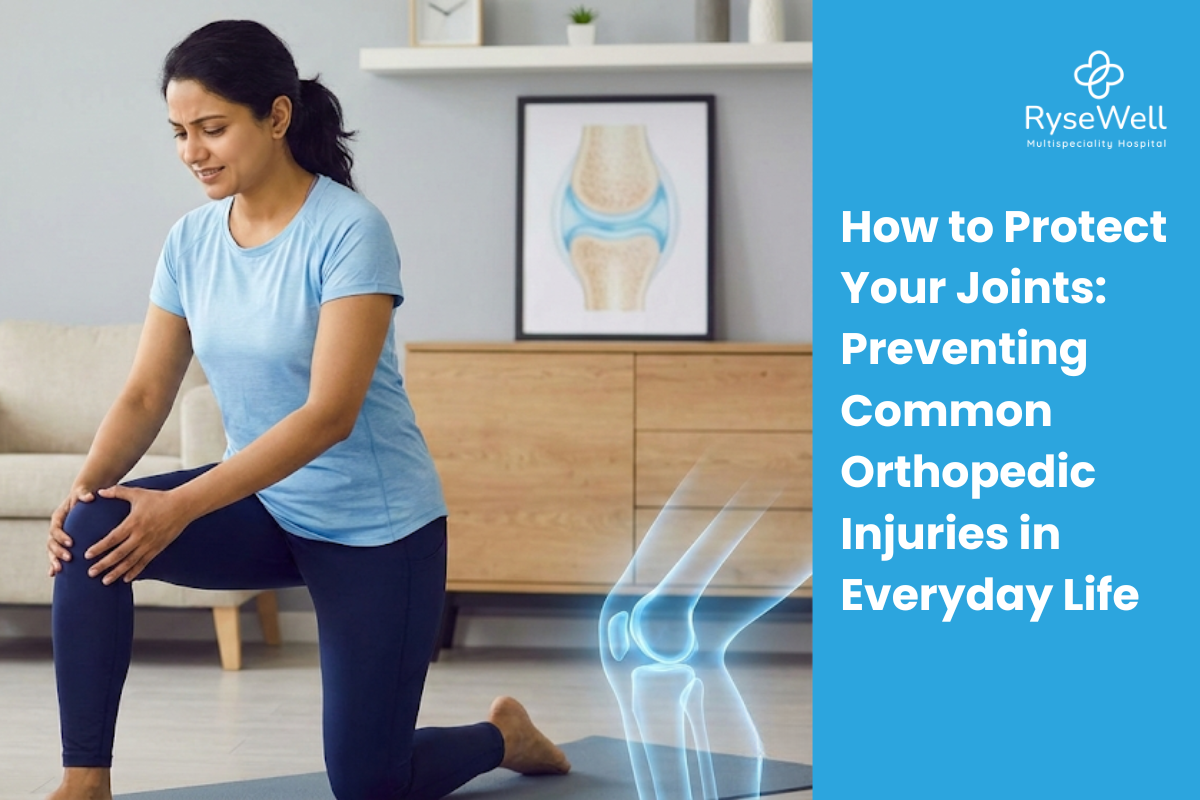
Introduction: The Importance of Joint Health
Our joints are crucial for movement, flexibility, and overall daily function. From walking to sitting and lifting, our joints work hard every day to support our bodies. However, as we age or engage in repetitive activities, we can experience joint pain, stiffness, or injuries that may interfere with normal function. At Rysewell Multispeciality Hospital, we understand that joint health is often overlooked until it becomes a serious issue. By taking simple preventive measures, you can protect your joints and avoid common orthopedic injuries like sprains, strains, or joint wear and tear. This blog will guide you on how to care for your joints, prevent injuries, and know when to seek professional help.
Understanding Common Orthopedic Injuries
Orthopedic injuries can affect various parts of the body, including bones, muscles, ligaments, tendons, and joints. Below are some common types of orthopedic injuries:
1. Sprains and Strains
Sprains occur when ligaments are stretched or torn, while strains affect muscles or tendons. Both injuries can occur due to overexertion, sudden movements, or improper technique during physical activities.
2. Joint Pain and Stiffness
Joint pain is a common complaint, often linked to aging, physical activity, or underlying conditions like osteoarthritis. This pain can range from mild discomfort to severe, chronic pain, making daily tasks difficult.
3. Tendonitis
Tendonitis is the inflammation of a tendon, typically caused by repetitive motion or overuse of a joint. It is common in activities like sports, work tasks, or hobbies that require repetitive movements.
4. Bursitis
Bursitis is the inflammation of the fluid-filled sacs (bursae) that cushion the joints. It often results from overuse or trauma to the affected area.
5. Fractures and Dislocations
Fractures occur when bones break, while dislocations happen when bones in a joint are forced out of their normal position. These injuries can result from falls, accidents, or extreme force.
How to Protect Your Joints: Preventing Common Injuries
Protecting your joints and avoiding orthopedic injuries requires conscious effort and self-care. Here are some ways to maintain joint health and prevent injuries:
1. Maintain a Healthy Weight
Carrying excess weight places additional stress on your joints, especially those in the lower body, such as the knees, hips, and lower back. By maintaining a healthy weight, you reduce the risk of joint pain and conditions like osteoarthritis. Healthy eating and regular exercise can help keep your weight in check and minimize stress on your joints.
2. Stay Active and Exercise Regularly
Regular physical activity is essential for joint health. Low-impact exercises such as swimming, walking, or cycling can strengthen the muscles around your joints and improve flexibility. Strengthening your muscles also helps protect joints from injury during physical activities.
3. Warm Up Before Exercise
Before any physical activity, it’s important to properly warm up your muscles and joints. Gentle stretching and light aerobic activity increase blood flow to the muscles and help prepare your body for exercise, reducing the risk of strains, sprains, and joint injuries.
4. Use Proper Technique
When engaging in physical activities like weightlifting or sports, always use proper technique. This will minimize unnecessary strain on your joints and muscles. For example, when lifting heavy objects, bend at the knees, not at the waist, to protect your lower back and knees.
5. Wear Supportive Shoes
Footwear plays a significant role in joint health. Poorly fitted shoes or wearing shoes without proper support can lead to joint pain, especially in the knees, hips, and lower back. Choose shoes that offer proper arch support and cushioning.
6. Take Frequent Breaks from Sitting
Prolonged sitting, especially at a desk or workstation, can strain your back and neck. Take breaks every 30 minutes to stand, stretch, and walk around. Sitting with proper posture and adjusting your workspace for ergonomic support also reduces strain on your joints.
7. Stay Hydrated
Drinking plenty of water is essential for joint health. Water lubricates the joints and helps maintain their function, reducing friction and the risk of injuries. Aim for at least 8 glasses of water a day.
When to Seek Medical Help for Joint Pain
While many joint issues can be managed at home, it’s important to know when professional care is needed. If you experience any of the following signs, seek medical help at Rysewell Multispeciality Hospital:
- Severe or persistent joint pain that doesn’t improve with rest or over-the-counter medication
- Swelling or redness around the joint, which could indicate an infection or injury
- Difficulty moving the joint or bearing weight on it
- Deformities or misalignment of the joint after an injury
- Chronic stiffness or limited range of motion that doesn’t improve with stretching or physical therapy
- Fever along with joint pain, which could indicate an infection
At Rysewell Multispeciality Hospital, our orthopedic specialists are trained to diagnose and treat a variety of joint and bone issues. From physiotherapy to advanced treatment options like joint injections, we offer a wide range of services to help you recover from joint injuries and prevent long-term damage.
Emergency Care at Rysewell Hospitals: Orthopedic Expertise
If you suffer from an orthopedic injury that requires immediate attention, Rysewell Hospitals is equipped with state-of-the-art diagnostic tools and pediatric orthopedic services. Our 24/7 emergency department can provide quick relief for joint injuries, fractures, or dislocations, ensuring prompt treatment and faster recovery.
FAQs on Joint Protection and Prevention
Q1: How can I prevent joint pain from occurring in the first place?
A1: Regular exercise, maintaining a healthy weight, proper ergonomics, and using supportive footwear can all help prevent joint pain and injuries.
Q2: What should I do if I experience sudden joint pain?
A2: Rest, ice, compression, and elevation (R.I.C.E.) can help reduce pain and swelling. If pain persists, seek medical attention from an orthopedic specialist.
Q3: Are there specific exercises that help prevent joint injuries?
A3: Low-impact exercises like walking, swimming, and cycling strengthen muscles and improve joint flexibility, reducing the risk of injuries.
Q4: When should I see an orthopedic doctor for joint pain?
A4: If joint pain persists for more than a few days or becomes more intense, it’s time to consult an orthopedic doctor for proper diagnosis and treatment.
Q5: Can I prevent joint damage from arthritis?
A5: While arthritis cannot be fully prevented, maintaining a healthy weight, staying active, and practicing joint protection techniques can help reduce symptoms and slow progression.
Conclusion: Protect Your Joints and Stay Active
Taking care of your joints is essential for maintaining an active and healthy lifestyle. By following simple steps such as staying active, practicing good posture, and wearing supportive footwear, you can significantly reduce the risk of joint injuries and pain. If you are experiencing any joint discomfort or have concerns about your joint health, don’t hesitate to consult with the orthopedic experts at Rysewell Multispeciality Hospital for comprehensive care and treatment options.
Call to Action
Ready to Protect Your Joints?
Consult with our orthopedic specialists today at Rysewell Multispeciality Hospital.
📞 Call: +91 7709862164
📍 Location: Rysewell Multispeciality Hospital, Pune
Recent Blogs


 The 5 Blood Tests Every Pune Professional Over 30 Needs Every Year
February 20, 2026

 Reversing Type 2 Diabetes: Is It a Myth or Reality in 2026?
February 16, 2026





No related posts found in this category.