Introduction
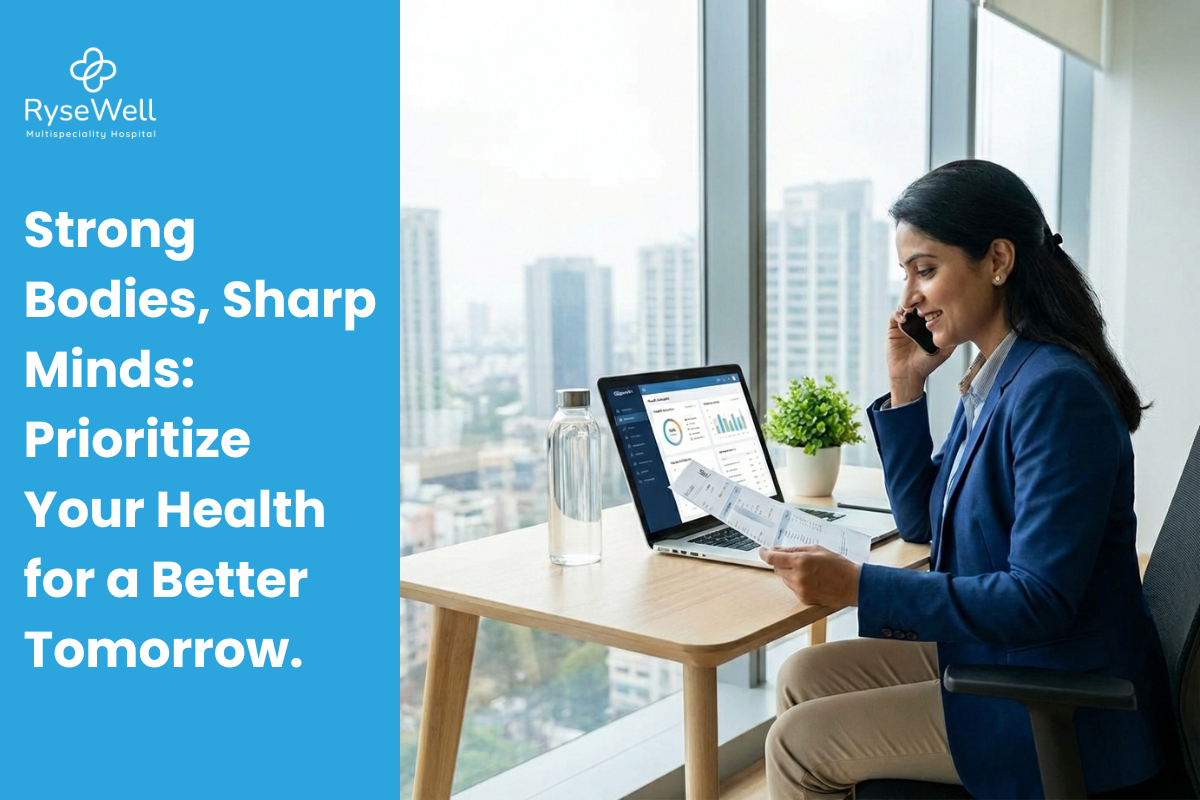
In today’s fast-paced and demanding work environment, India’s workforce is facing increasing pressure to perform at optimal levels. Long hours, sedentary jobs, and high stress levels are becoming the norm, leaving little room for personal well-being. However, what many don’t realize is that physical health and mental sharpness are directly linked to work performance, career growth, and overall success.
Prevention is better than cure – a principle that resonates even more in the context of workforce health. With rising health concerns and increasing lifestyle-related diseases, it’s essential for professionals to embrace preventive care. This blog discusses how working professionals can benefit from preventive health measures and why it’s crucial to stay ahead of potential health risks.
At RyseWell Hospitals, we focus on providing comprehensive health screenings and preventive care, ensuring that your body stays in top shape to support a productive and fulfilling career.
Why Workforce Health Matters More Than Ever
The modern workforce is under immense pressure to perform, meet deadlines, and juggle multiple responsibilities. But this constant pressure has led to a significant rise in lifestyle-related health issues. With long working hours, sedentary behavior, and high stress, many working professionals are developing chronic health conditions that not only affect their quality of life but also hinder their productivity at work.
The toll on the body includes physical fatigue, mental exhaustion, and the increased likelihood of developing serious conditions like heart disease, diabetes, and high blood pressure. Early intervention through preventive healthcare helps individuals avoid these risks and enables them to remain productive and focused in their careers.
Common Health Risks Facing India’s Workforce
The pressures of modern work life contribute to a wide range of health risks for professionals. The most common include:
- Stress and burnout: The constant demands of work lead to elevated stress levels, which can have long-term effects on both mental and physical health.
- Poor sleep: Long work hours, screen time, and stress disrupt sleep, leading to chronic fatigue and cognitive issues.
- Diabetes and prediabetes: Unhealthy eating habits and a lack of physical activity can lead to weight gain and insulin resistance.
- High blood pressure and cholesterol: Sedentary work routines and poor dietary habits contribute to hypertension and elevated cholesterol levels.
- Mental fatigue and reduced focus: Chronic stress and poor health lead to mental exhaustion, reduced productivity, and a lack of focus.
Addressing these issues proactively through preventive healthcare is key to maintaining both physical and mental well-being.
The Link Between Physical Health and Mental Performance
Your physical health directly affects your ability to think clearly, concentrate, and make informed decisions at work. For example:
- Poor health affecting concentration and decision-making: Chronic health issues like fatigue and stress lower cognitive abilities, reducing your productivity and decision-making efficiency.
- Role of sleep, nutrition, and movement: A well-rested body, nutritious food, and regular physical activity boost energy levels, improve focus, and enhance cognitive performance.
- Why “feeling fine” doesn’t always mean healthy: Many serious health conditions, such as high blood pressure or diabetes, may not show immediate symptoms, making regular checkups essential for early detection.
Taking charge of your physical health ensures that your mind stays sharp, and you can perform to the best of your abilities at work.
What Preventive Health Care Really Means
Preventive health care is all about staying ahead of potential health risks before they turn into major problems. It involves:
- Routine health screenings: Regular checkups help detect potential health issues before they become serious.
- Early detection of silent conditions: Conditions like hypertension, diabetes, and high cholesterol can be asymptomatic until they cause severe damage. Preventive screenings catch these problems early.
- Lifestyle guidance and medical supervision: A professional healthcare provider helps manage and reduce the risk of chronic conditions through advice on diet, exercise, and stress management.
Key Preventive Health Checks for Working Professionals
Working professionals should prioritize the following health tests to monitor their well-being:
- Blood sugar and diabetes screening: Detects early signs of diabetes or prediabetes.
- Blood pressure monitoring: Helps identify hypertension, a silent risk factor for heart disease.
- Lipid profile: Measures cholesterol levels to assess cardiovascular risk.
- Heart screening tests: Includes ECG, stress tests, and 2D echo to evaluate heart health.
- Stress and sleep-related assessments: Identifies factors affecting mental health and sleep quality.
Regular monitoring of these tests ensures that you stay ahead of any health risks and can take proactive measures to mitigate them.
How Preventive Care Benefits Individuals and Organizations
Preventive healthcare provides long-term benefits for both individuals and organizations. The key advantages include:
- Fewer health emergencies: Catching health issues early prevents sudden health crises.
- Better work-life balance: When your health is in check, it’s easier to manage work and personal life.
- Long-term cost savings: Early treatment is generally less expensive than dealing with advanced stages of disease.
- Improved quality of life: Preventive care helps maintain optimal health, reducing stress and improving overall well-being.
A healthier workforce is more productive, and organizations benefit from fewer sick days and improved employee engagement.
How RyseWell Hospitals Supports Preventive Workforce Health
At RyseWell Hospitals, we are committed to supporting your health journey with preventive healthcare services designed for the modern workforce. We offer:
- Preventive health checkup programs that focus on early detection and lifestyle management.
- General medicine and specialist consultations to address both physical and mental health concerns.
- Advanced diagnostics that provide accurate and timely results.
- Patient-centric, lifestyle-focused care that prioritizes your well-being in both the short and long term.
We work closely with you to develop a customized health plan that fits your lifestyle and helps you maintain a healthy work-life balance.
FAQs Section
1. Why is preventive health important for working professionals?
Preventive health helps detect health issues before they become serious, ensuring that you remain productive and healthy.
2. At what age should regular health checkups begin?
It’s recommended to start regular checkups in your late 20s to early 30s, especially if you have a family history of chronic diseases.
3. Can preventive care reduce lifestyle diseases?
Yes, preventive care can help manage or even prevent lifestyle diseases like diabetes, hypertension, and heart disease by identifying risk factors early.
4. How often should health screenings be done?
It depends on your age, family history, and risk factors, but it’s generally advised to have annual screenings for basic health markers.
5. When should I consult a doctor for heart health?
Consult a doctor if you experience symptoms like chest pain, breathlessness, or fatigue, or if you have risk factors like high blood pressure or high cholesterol.
Conclusion
In the fast-paced world of work, taking proactive steps to care for your physical and mental health is essential for long-term well-being. Preventive healthcare, through regular checkups and healthy lifestyle choices, can help you stay ahead of health risks and improve your quality of life. At RyseWell Hospitals, we are here to guide you through your preventive health journey with personalized care and expert advice.
Book your health checkup with RyseWell Hospitals today and start your path to a healthier, more balanced life. Call us now at +91 7709862164 or visit our website to schedule your appointment.
Recent Blogs


 The 5 Blood Tests Every Pune Professional Over 30 Needs Every Year
February 20, 2026

 Reversing Type 2 Diabetes: Is It a Myth or Reality in 2026?
February 16, 2026





No related posts found in this category.