
Caring for Your Health, Every Step of the Way at Dr. Palve Hospital
Trusted Care for Diabetes, Heart Health & More in Pune

No posts found.
Health Packages
Explore our comprehensive health packages designed to suit your needs.
Full Body Health Check-up - Silver (54 Parameters)
Liver Function Test (LFT) | Kidney Function Test (KFT) | Lipid Profile | HbA1c & Blood Sugar | Complete Blood Count (CBC)
Diabetes Health Check-Up - Silver (27 parameters)
Blood Sugar | Urine Routine Analysis | HBA1c | Lipid Profile
Heart Health Check-up - Silver (30 parameters)
CBC | ECG | Blood Sugar | Lipid Profile | Hs-CRP

Your Health. Our Personalized Approach.
No posts found.

Comprehensive Multispeciality Care, Tailored to You
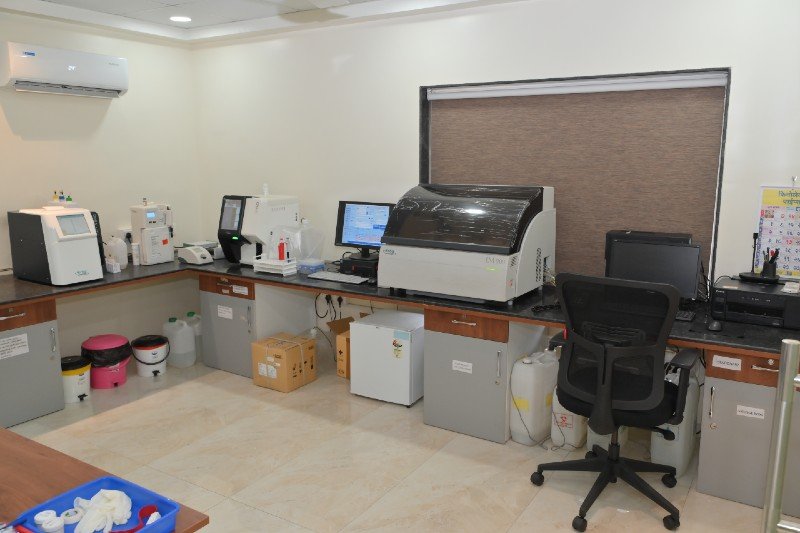
Cutting-Edge Medical Technology
We walk an extra mile for our patients

All-in-One Multispeciality Excellence
Why juggle multiple appointments when you can get complete care under one roof? At RyseWell Multispeciality Hospital, we bring together top-tier specialists, diagnostics and treatment facilities, ensuring a seamless, coordinated experience that always puts your health first. No more running around, just exceptional, personalized, and technology-enabled care for every stage of life.
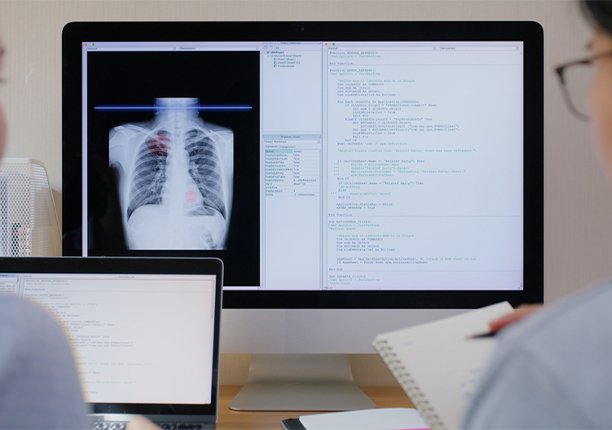
Smart Tech, Smarter Health
Stay in control of your health with RyseWell’s advanced medical technology. From AI-powered health monitoring to Continuous Glucose Monitoring Systems (CGMS), we use intelligent tools that track, analyze, and adapt to your unique needs in real time

Care as Unique as You Are
At RyseWell Multispeciality Hospital (formerly Dr. Palve Hospital), we believe healthcare should never be one-size-fits-all. Every patient receives a personalized care plan designed around their lifestyle, goals, and needs.

More Than Medicine—Holistic Healing
At RyseWell Multispeciality Hospital, we look beyond symptoms to understand the whole you.Our holistic approach focuses on finding and treating the root cause of health concerns, helping prevent complications before they arise. With us, care isn’t just about managing a condition; it’s about empowering you to live healthier, happier, and more balanced every day.

Empowering Health Beyond Our Walls
At RyseWell Multispeciality Hospital, we believe healthcare doesn’t end at the hospital door, it begins in the community.Through regular health camps, wellness workshops, and awareness programs, we reach thousands across Pune, guiding them toward preventive care and better health management. From educating students on lifestyle diseases to empowering families with practical wellness insights, we’re building a culture of health, one informed, confident individual at a time.
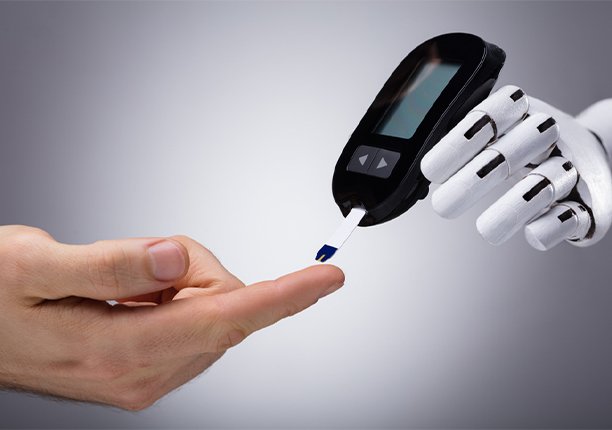
Pioneering Tomorrow’s Diabetes Care
The future of diabetes care is happening here. With plans to expand our facilities and integrate the latest innovations, Dr. Palve Cardio Diabetic Center is at the forefront of redefining how we manage and treat diabetes. Get ready for the next level of care.

Schedule a Consultation Today
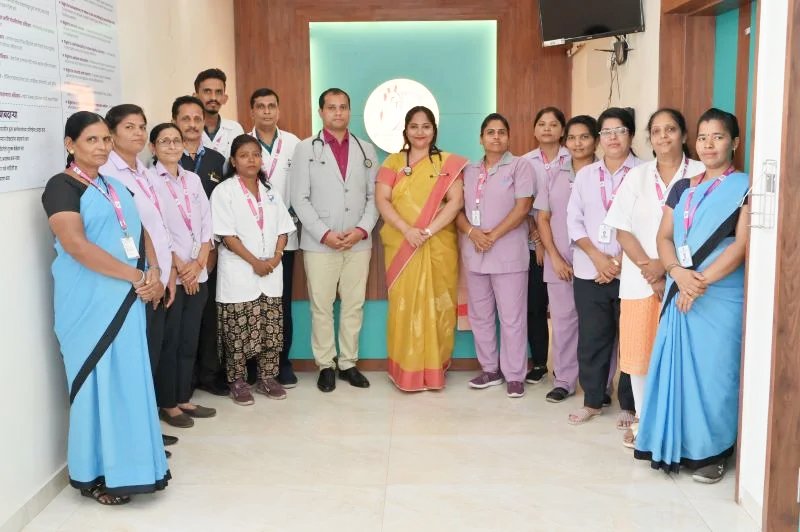
Personalized Care You Can Trust
Blogs
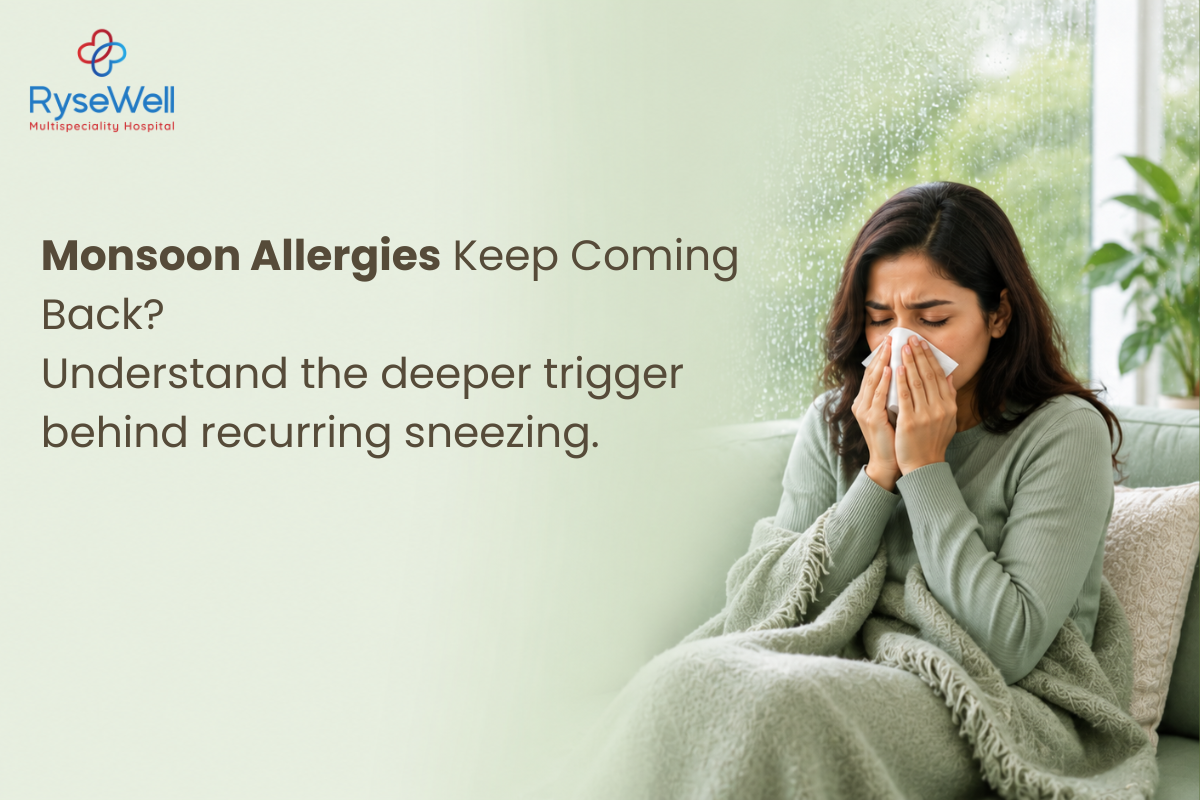
Monsoon Allergies and Recurring Sneezing: Can Homeopathy Support Long-Term Relief?
Monsoon Health · RyseWell Homeopathy, Pune Monsoon Allergies and Recurring Sneezing: Can Homeopathy Support Long-Term Relief? Repeated sneezing, blocked nose, and itchy eyes during the rainy season may be more than a passing cold. Homeopathy offers a personalized, gentle approach to understanding and managing recurring monsoon allergies. Healthcare Awareness · RyseWell Homeopathy Team · 7 min read Monsoon brings cooler weather, greenery, and relief from summer heat — but for many people in Pune, it also brings repeated sneezing, blocked nose, itchy eyes, throat irritation, and breathing discomfort. Increased humidity, damp walls, mold growth, dust mites, and sudden weather changes can all trigger monsoon allergies. At RyseWell Homeopathy, we focus on understanding the individual pattern behind recurring allergy flare-ups and supporting long-term balance in a gentle, personalized way. What Are Monsoon Allergies? Monsoon allergies occur when the immune system reacts strongly to allergens present during the rainy season. These triggers can irritate the nose, throat, eyes, and respiratory tract — leading to symptoms that keep returning throughout the season. 🍄 Mold & Fungus Growth Damp walls, wet carpets, and humid indoor spaces encourage mold and fungus — common monsoon allergy triggers. 🪲 Dust Mites Humidity causes dust mites to thrive in bedding, curtains, and carpets, increasing indoor allergen exposure significantly. 🌿 Pollen & Pollution Moisture-carried pollen and pollution mixed with humidity can worsen respiratory sensitivity during the monsoon months. 🌡️ Weather Changes Sudden temperature shifts between hot and cool weather stress the immune system and can trigger allergy flare-ups. Common Symptoms of Monsoon Allergies Monsoon allergies may look like a cold, but they often keep returning throughout the season. If these symptoms occur repeatedly during the rainy season, it may be allergic rhinitis rather than a simple cold. Repeated sneezing and runny or blocked nose Itchy nose, throat, or watery eyes Post-nasal drip and cough due to throat irritation Head heaviness and fatigue Worsening symptoms in damp rooms or during humid weather Why Do Some People Keep Getting Allergies Again and Again? Recurring allergies usually happen because the body remains sensitive to certain triggers. This is why long-term relief needs more than symptom control — the underlying sensitivity must also be understood. ⚠️ Factors That May Increase Allergy Tendency ► Family history of allergies ► Low immunity or poor sleep ► Stress and indoor pollution ► Repeated exposure to dampness or dust ► Existing asthma or sinus issues Tired of Seasonal Allergies Coming Back Every Year? RyseWell Homeopathy offers personalized allergy evaluation and gentle, long-term supportive care for adults and children in Pune. Visit Website Call or WhatsApp Can Homeopathy Support Long-Term Relief from Allergies? Homeopathy for allergies focuses on the person, not just the sneezing. The aim is to understand why the body reacts strongly to certain triggers. For recurring allergic rhinitis and seasonal allergies, it can be considered as supportive long-term care under professional guidance. 🧍 Individualized Treatment Treatment is tailored to the type of symptoms, timing, weather sensitivity, sleep pattern, stress response, and past allergy history. 🌿 Gentle Long-Term Care The goal is to reduce the frequency, intensity, and recurrence of allergy episodes over time through gentle, non-suppressive care. 🔍 Detailed Case-Taking Consultation explores when sneezing starts, indoor vs outdoor triggers, nasal discharge type, sinus pressure, emotional stress, and sleep quality. 👨👩👧 For Adults & Children Homeopathy is generally considered gentle and can be explored for both adults and children with recurring seasonal allergies under qualified guidance. How Homeopathy Looks at Individual Allergy Patterns Different people experience allergies differently, and homeopathy considers these differences important because remedy selection depends on the full symptom picture. Some people sneeze mostly in the morning; others at night Some have watery discharge with itchy eyes; others get nasal blockage Some develop sinus pressure with headache Some get cough from post-nasal drip; others have mainly eye symptoms Lifestyle Tips to Reduce Monsoon Allergy Triggers Along with homeopathic care, reducing allergen exposure is very important. Small steps taken consistently around the home can significantly reduce allergic flare-ups during monsoon. 🪟 Ventilate & Dry Keep rooms dry and well-ventilated. Avoid damp carpets and curtains, and clean mold-prone areas regularly. 🛏️ Clean Bedding Use clean pillow covers and bedsheets regularly. Dry clothes properly before storing to prevent mold and mite growth. 😷 Mask Up Use a mask while cleaning dusty areas. Avoid strong room fresheners and perfumes that can irritate the respiratory tract. 🩺 Seek Evaluation Avoid self-medicating repeatedly. Keep windows closed during heavy rain if damp air worsens your symptoms. When Should You See a Doctor? Seek Medical Advice If You Notice Any of the Following ► Sneezing and nasal blockage lasting more than 1 to 2 weeks ► Symptoms returning frequently each season ► Wheezing or breathing difficulty ► Persistent cough or sinus pain with fever ► Sleep disturbed due to blocked nose ► Allergy medicines needed too often without lasting relief Recurring allergies can affect sleep, concentration, energy, and overall quality of life. Early care helps prevent worsening. Key Takeaways Monsoon allergies are triggered by mold, dust mites, humidity, and weather changes Recurring symptoms may indicate allergic rhinitis rather than a simple cold Homeopathy offers individualized, gentle support for long-term allergy management Reducing allergen exposure at home supports better outcomes alongside treatment Breathing difficulty, persistent cough, or fever warrant prompt medical evaluation Frequently Asked Questions Can homeopathy help with monsoon allergies?+ Homeopathy may support people with recurring monsoon allergies by addressing individual sensitivity patterns and reducing symptom recurrence over time under professional guidance. Is allergic rhinitis common during monsoon?+ Yes. Humidity, mold, dust mites, and damp indoor spaces are very common during monsoon and can commonly trigger or worsen allergic rhinitis in sensitive individuals. Can homeopathy cure allergies permanently?+ Homeopathy does not promise an absolute cure. It may help manage allergic tendency and reduce the frequency or intensity of episodes when treatment is properly individualized by a qualified practitioner. Is homeopathy safe for children with allergies?+ Homeopathy is generally considered gentle when prescribed by a qualified practitioner. Children should always be … Continue reading “Monsoon Allergies and Recurring Sneezing: Can Homeopathy Support Long-Term Relief?”
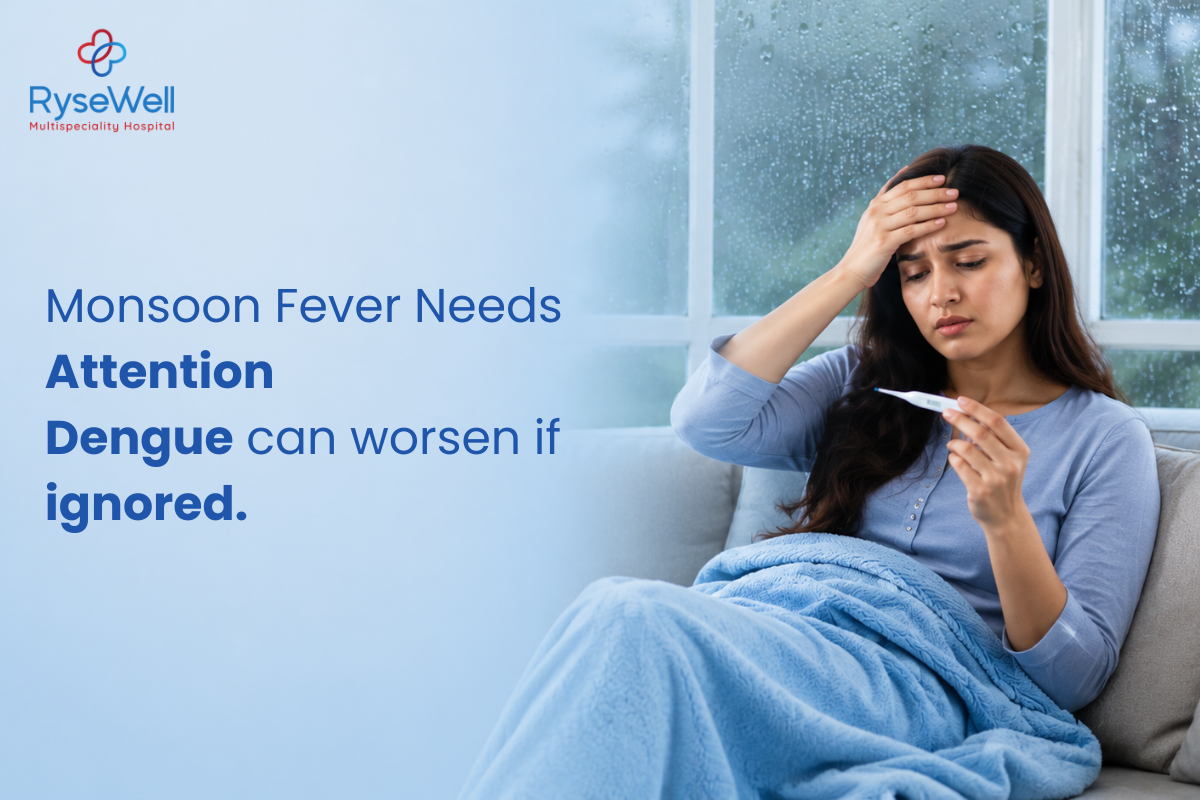
Dengue Cases Rise During Monsoon: Early Symptoms You Should Never Ignore
Monsoon Health Alert · RyseWell Multispeciality Hospital, Pune Dengue Cases Rise During Monsoon: Early Symptoms You Should Never Ignore Monsoon brings relief from the heat — but it also brings rising dengue risk. Recognising early symptoms and seeking timely medical care can make all the difference. Healthcare Awareness · RyseWell Hospital Healthcare Team · 7 min read In cities like Pune, monsoon creates ideal breeding conditions for Aedes mosquitoes. Water collecting in pots, tyres, terraces, construction sites, and open containers gives these mosquitoes everything they need to multiply — and spread dengue. Dengue can begin like a regular viral fever but worsen quickly in some cases. That is why early symptom recognition and timely medical attention matter so much. What Is Dengue? Dengue is a viral infection spread through the bite of an infected Aedes mosquito. These mosquitoes usually bite during the daytime — especially early morning and evening. Dengue does not spread directly from person to person. It spreads when mosquitoes breed in stagnant water and bite infected individuals before transmitting the virus to others. 🦟 Aedes Mosquito Bite Dengue spreads through the bite of an infected Aedes mosquito, which typically bites during early morning and evening hours. 💧 Stagnant Water Breeding Mosquitoes breed in stagnant water found in pots, buckets, tyres, coolers, and open containers — common during monsoon. 🚫 Not Person-to-Person Dengue does not spread directly between people — only through an infected mosquito acting as a carrier. ⏱️ 4–10 Day Onset Symptoms typically appear 4 to 10 days after a mosquito bite, often resembling a regular viral fever at first. Early Dengue Symptoms You Should Watch For Early dengue symptoms can look similar to a viral fever, which makes awareness especially important. If fever appears during monsoon and is associated with body pain or unusual weakness, dengue testing may be needed. Sudden high fever Severe headache and pain behind the eyes Body ache and joint pain Nausea or vomiting Skin rash Extreme tiredness and loss of appetite Dengue Warning Signs You Should Never Ignore Some symptoms suggest dengue may be progressing and requires urgent medical attention. These warning signs should not be treated at home. 🚨 Seek Medical Care Immediately If You Notice ► Severe abdominal pain or persistent vomiting ► Bleeding from gums or nose ► Blood in vomit or stools ► Extreme weakness, restlessness, or breathlessness ► Cold hands and feet or reduced urination ► Drowsiness or confusion Dengue vs Viral Fever — and Why Platelet Count Matters Dengue and viral fever can look similar in the beginning. However, dengue often causes stronger body pain, severe headache, eye pain, rash, and marked fatigue. The only reliable way to confirm dengue is through medical evaluation and blood tests. 🧪 Diagnostic Tests NS1 antigen, dengue IgM/IgG, complete blood count (CBC), and platelet count monitoring help confirm dengue accurately. 🩸 Platelet Count Dengue may reduce platelet count in some patients. A falling count must be monitored with symptoms and overall condition — do not panic over numbers alone. ⚠️ What Not to Do Avoid self-medication — some painkillers can increase bleeding risk in dengue. Do not ignore fever lasting more than 2 days or delay care when warning signs appear. 🏥 Medical Guidance Always follow a doctor’s guidance for platelet monitoring. Do not rely only on home remedies when warning signs are present. Don’t Wait for Symptoms to Worsen At RyseWell Multispeciality Hospital, Pune, we encourage families to stay alert during monsoon and consult a doctor promptly if fever or weakness does not settle as expected. Visit Website Call or WhatsApp Dengue Treatment: What Does Medical Care Include? There is no specific antibiotic for dengue because it is a viral infection. Treatment focuses on supportive care and careful monitoring. Early treatment helps prevent complications. Fever control with safe medicines Hydration support Blood pressure monitoring CBC and platelet count monitoring Rest and medical observation Hospital care if warning signs appear How to Prevent Dengue During Monsoon Prevention begins by stopping mosquito breeding. Simple steps taken consistently around the home and workplace can significantly reduce the risk of dengue during monsoon season. 🪣 Remove Stagnant Water Empty and clean pots, buckets, tyres, trays, and coolers regularly. Keep water containers covered at all times. 🦺 Personal Protection Use mosquito repellents, wear full-sleeved clothing, and protect windows with mesh to reduce mosquito contact. 🏠 Clean Surroundings Clean terraces and balconies regularly. Avoid water accumulation around homes and offices throughout the season. 🩺 Timely Consultation If monsoon fever is accompanied by body ache, eye pain, or unusual weakness, consult a doctor promptly instead of waiting. When Should You Visit RyseWell Hospital? Consult RyseWell Multispeciality Hospital if You or a Family Member Has: ► Fever during monsoon season ► Severe body ache or eye pain ► Skin rash or nausea and vomiting ► Unusual weakness or fatigue ► Any dengue warning signs mentioned above Timely diagnosis and monitoring can make dengue management safer and more effective. Key Takeaways Dengue spreads through Aedes mosquito bites — not person to person Early symptoms include sudden fever, body ache, eye pain, rash, and fatigue Warning signs like bleeding, breathlessness, or confusion require urgent care Avoid self-medication — some painkillers increase bleeding risk in dengue Preventing mosquito breeding is the most effective way to reduce dengue risk Frequently Asked Questions What are the first symptoms of dengue?+ The first symptoms are usually sudden high fever, headache, body pain, eye pain, weakness, nausea, and sometimes a skin rash. These may appear 4 to 10 days after an infected mosquito bite. When should dengue testing be done?+ If fever continues for more than 1 to 2 days during monsoon, or is associated with severe body ache, eye pain, or unusual weakness, consult a doctor for dengue testing promptly. Is a low platelet count always dangerous in dengue?+ Not always. Platelet count must be interpreted alongside symptoms, blood pressure, hydration status, and overall condition. Do not panic over platelet numbers alone — always follow a doctor’s guidance. Can dengue … Continue reading “Dengue Cases Rise During Monsoon: Early Symptoms You Should Never Ignore”

Health Tests Every Man Should Consider After 30
Preventive Men’s Health · Palve Labs Health Tests Every Man Should Consider After 30 High cholesterol, diabetes, thyroid disorders, and vitamin deficiencies often develop silently — with no obvious symptoms until they become serious. Preventive testing changes that. Preventive Healthcare Awareness · Palve Labs Diagnostic Team · 9 min read Turning 30 marks a shift in responsibilities — but health is one priority that too many men quietly deprioritise. Many conditions begin developing long before noticeable symptoms appear. Preventive testing after 30 can identify these risks early and play a crucial role in supporting long-term wellness. Because when it comes to health, knowing early is always better than knowing late. Essential Health Tests Every Man Should Consider After 30 These tests cover the most common health risks men face after 30 — many of which develop without any obvious warning signs. Regular screening gives you the earliest possible opportunity to act. 🩸 Complete Blood Count (CBC) Evaluates overall blood health, infection indicators, anaemia, and immune function — one of the most important baseline health tests available. 🍬 Blood Sugar Testing Fasting Blood Sugar and HbA1c tests monitor glucose levels and detect early signs of diabetes or prediabetes — increasingly common in men after 30. 🫀 Lipid Profile Measures total cholesterol, LDL, HDL, and triglycerides — providing a clear picture of cardiovascular health risk before symptoms develop. 🦋 Thyroid Function Test Thyroid disorders can silently affect energy, weight, mood, and metabolism for years. Early screening helps identify imbalances before they progress. More Tests That Should Not Be Skipped Beyond the core panel, these additional tests address common but often-overlooked health concerns that become increasingly relevant after the age of 30. Liver Function Test (LFT) — evaluates enzyme levels and liver performance, important given the impact of modern diets and lifestyle habits Kidney Function Test (KFT) — assesses creatinine levels and renal health, especially important for individuals with diabetes or high blood pressure Vitamin D Test — deficiency is increasingly common in working professionals with limited sunlight exposure, contributing to fatigue and reduced immunity Vitamin B12 Test — supports nerve health, energy production, and brain function; deficiency is often missed and causes persistent fatigue and poor concentration Blood Pressure Monitoring — a silent condition with no symptoms until complications arise; regular monitoring enables early cardiovascular risk management Why Men Over 30 Often Delay Health Checkups Preventive healthcare is often more effective than reactive healthcare — but most men only seek medical attention when symptoms force them to. Several common habits allow health risks to go undetected for years. ⚠️ Common Reasons Men Skip Preventive Testing ► Feeling healthy and assuming testing is unnecessary ► Prioritising work and career over routine healthcare ► Ignoring mild or intermittent symptoms as temporary ► Delaying routine checkups until symptoms become serious ► Underestimating the silent nature of many lifestyle-related conditions When Did You Last Get a Health Checkup? Palve Labs offers comprehensive men’s health screening with accurate, timely diagnostic reports — helping you identify hidden health risks before they become serious concerns. Visit Website Call or WhatsApp The Benefits of Early Detection Routine preventive screening does more than just detect illness — it empowers men to make informed decisions about their health before conditions escalate. 🔍 Hidden Risk Detection Many conditions — including high cholesterol, fatty liver, and vitamin deficiencies — can be identified and addressed before symptoms ever appear. ✅ Better Treatment Outcomes Earlier diagnosis allows for more effective management and lifestyle modifications — often reducing or eliminating the need for more intensive intervention later. 🛡️ Fewer Complications Timely intervention helps prevent the progression of certain health conditions and reduces the risk of long-term complications affecting quality of life. 📈 Health Awareness Regular screening builds awareness and encourages a proactive approach to health — helping track changes over time and plan for long-term wellness. How Palve Labs Can Help Comprehensive Men’s Health Screening & Accurate Preventive Diagnostics At Palve Labs, the focus is on preventive healthcare, accurate diagnostics, and early health awareness — with comprehensive men’s health testing covering blood health, blood sugar, cholesterol, thyroid function, vitamin deficiencies, and liver and kidney health, backed by timely and reliable diagnostic reports. Key Takeaways Many health conditions begin developing silently after the age of 30 Preventive testing helps identify potential health concerns before symptoms appear Blood sugar, cholesterol, thyroid, vitamins, liver, and kidney health all need regular monitoring Early detection consistently leads to better and more manageable health outcomes Routine health screening is an investment in long-term energy, productivity, and well-being Frequently Asked Questions Why should men start health testing at 30 even if they feel fine?+ Many serious health conditions — including high cholesterol, diabetes, thyroid disorders, and vitamin deficiencies — develop gradually and silently without obvious symptoms. Feeling healthy does not rule out underlying risks. Preventive testing at 30 creates a health baseline and enables early identification of any concerns before they become harder to manage. How often should these health tests be done after 30?+ Frequency varies by test and individual health profile, but for most men a comprehensive health screening once a year is a good starting point. Those with risk factors such as a family history of diabetes, heart disease, or hypertension may benefit from more frequent monitoring. A healthcare professional can help determine the appropriate schedule. What symptoms indicate that health testing should not be delayed?+ Persistent fatigue, unexplained weight gain, poor sleep, frequent headaches, low energy, reduced concentration, digestive discomfort, and ongoing stress are all signs that should prompt a health evaluation. These symptoms can indicate underlying concerns that a basic diagnostic panel can help identify and address early. Are Vitamin D and B12 tests really necessary?+ Yes. Deficiencies in both vitamins are very common among working professionals with indoor lifestyles and are frequently missed because their symptoms — fatigue, muscle weakness, poor concentration, and low immunity — resemble general tiredness. Testing helps confirm whether supplementation or dietary adjustments are needed. Why is liver health testing important for men … Continue reading “Health Tests Every Man Should Consider After 30”
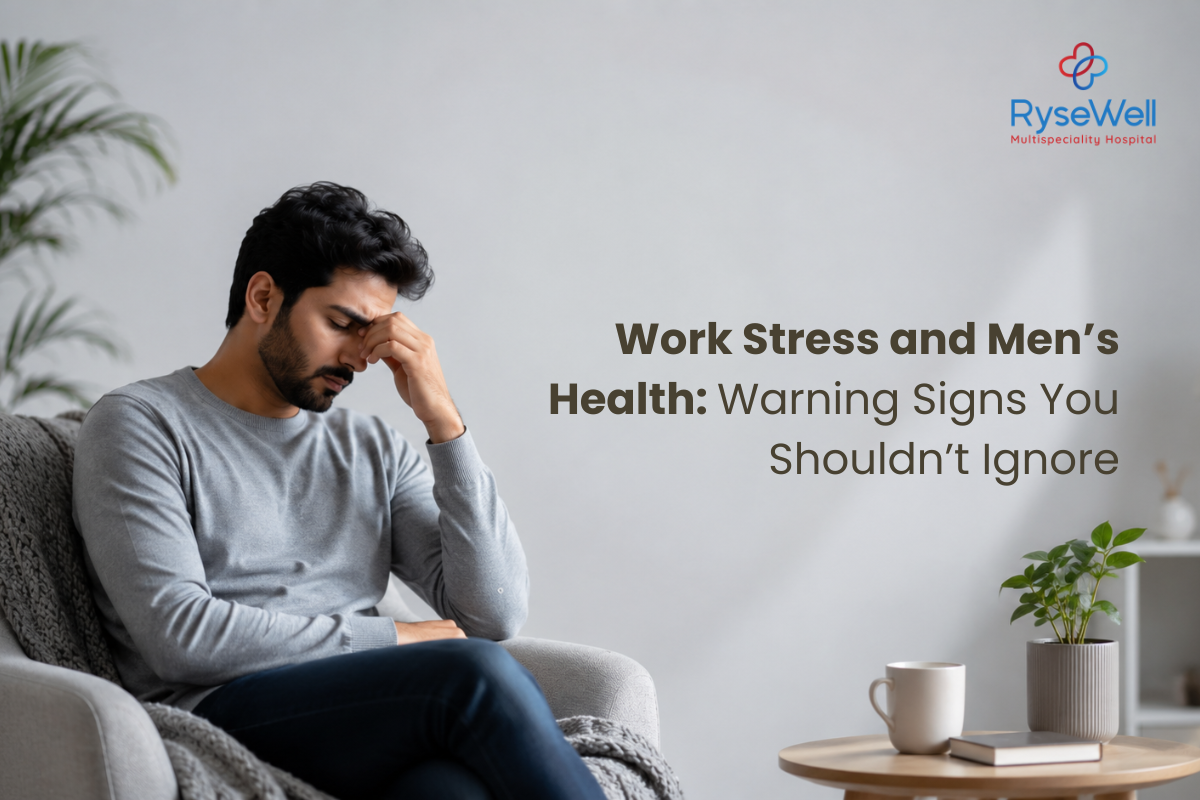
Work Stress and Men’s Health: Warning Signs You Shouldn’t Ignore
Men’s Health & Workplace Wellness · Rysewell Hospitals Work Stress and Men’s Health: Warning Signs You Shouldn’t Ignore Chronic work stress can quietly affect heart health, sleep, digestion, and mood long before serious symptoms appear — and most men push through every warning sign. Preventive Healthcare Awareness · Rysewell Hospitals Healthcare Team · 9 min read Long working hours, constant deadlines, high-performance expectations, and the pressure to balance personal and professional responsibilities have made work-related stress a growing health crisis. Many men treat stress as a normal part of success — but chronic stress does not only affect productivity. Over time, it silently shapes heart health, sleep quality, mental well-being, and overall quality of life. How Work Stress Affects Men’s Health Stress triggers hormonal responses that are helpful in short-term situations. But when stress becomes constant rather than occasional, prolonged activation begins affecting multiple systems across the body simultaneously. 🫀 Cardiovascular Health Prolonged stress may contribute to elevated blood pressure, increased heart strain, and higher long-term cardiovascular risk. 😴 Sleep Disruption Work stress commonly causes difficulty falling asleep, frequent waking, restless nights, and mornings that feel unrefreshing. 🫃 Digestive Health The digestive system is highly stress-sensitive — acidity, bloating, indigestion, and irregular appetite are all common stress responses. 🧠 Mental & Emotional Health Chronic stress affects mood, patience, and emotional resilience — often surfacing as irritability and withdrawal before physical symptoms appear. Warning Signs Men Often Dismiss as Normal Many stress-related symptoms are normalized as simply “part of a demanding career.” Recognising these early warning signs is the first step toward protecting long-term health. Persistent fatigue and low energy that does not improve after rest Recurring stress headaches linked to screen exposure and mental tension Increased irritability, mood swings, and reduced patience in daily life Digestive issues such as acidity, bloating, and stomach discomfort Weight gain, reduced fitness, and declining physical stamina Why Men Tend to Ignore Stress Symptoms Many men are conditioned to view stress as something that should simply be managed independently — a sign of strength rather than a health concern. This mindset can delay recognition and intervention until symptoms become much harder to address. ⚠️ Behaviours That Allow Stress to Worsen Over Time ► Delaying medical advice and dismissing early symptoms ► Continuing to work through exhaustion without recovery time ► Prioritising professional responsibilities entirely over personal health ► Spending 8 to 12 hours working daily with minimal physical activity or breaks ► Remaining digitally connected with limited time for genuine mental recovery Don’t Let Work Stress Cost You Your Health A preventive health assessment at Rysewell Hospitals can help identify early stress-related risk factors — before they develop into more serious health concerns. Visit Website Call or WhatsApp Healthy Habits That Help Manage Work Stress Consistent daily habits are among the most effective tools for reducing the cumulative health impact of chronic workplace stress. Small, sustainable changes deliver meaningful long-term results. 😴 Quality Sleep Consistent sleep schedules support mental recovery, physical restoration, and better concentration — breaking the stress-sleep deprivation cycle. 🏃 Physical Activity Regular exercise reduces stress hormones, improves mood, supports heart health, and restores energy levels depleted by chronic work pressure. 🥗 Healthy Nutrition Balanced meals support energy production, cognitive performance, and digestive health — reducing the physical toll of ongoing stress on the body. ⏸️ Work Boundaries Setting clear limits between work and personal life, and taking regular breaks throughout the day, are essential for preventing long-term burnout. How Rysewell Hospitals Can Help Preventive Assessments, Lifestyle Guidance & Multispecialty Care At Rysewell Hospitals, the focus is on preventive healthcare, lifestyle wellness, and early identification of health concerns linked to chronic stress and modern work habits — including blood pressure monitoring, cardiovascular risk assessment, stress-related symptom evaluation, and comprehensive multispecialty support. Key Takeaways Work stress is becoming a significant and growing health concern among men Chronic stress can affect sleep, heart health, digestion, mood, and energy levels Many warning signs are routinely dismissed or accepted as normal parts of a busy career Early recognition and preventive healthcare evaluation are essential for long-term health Healthy lifestyle habits and regular medical assessments support sustained well-being Frequently Asked Questions How does chronic work stress affect the heart?+ Prolonged stress can contribute to elevated blood pressure, increased strain on the heart, and poor lifestyle habits such as reduced physical activity and unhealthy eating — all of which raise long-term cardiovascular risk. Combined with inadequate sleep, these effects can accumulate significantly over time. Why do stress and sleep problems often occur together?+ Work stress keeps the mind in an activated state, making it harder to fall asleep and stay asleep. Poor sleep in turn increases stress levels — creating a difficult cycle where each issue worsens the other. Breaking this cycle often requires addressing both sleep habits and stress management simultaneously. Can work stress cause digestive problems?+ Yes. The digestive system is highly sensitive to stress. Chronic workplace pressure commonly triggers acidity, bloating, indigestion, stomach discomfort, and irregular appetite. Many individuals do not connect these symptoms to stress, which delays appropriate care and management. At what point should work stress become a medical concern?+ When stress-related symptoms — such as persistent fatigue, sleep disturbances, recurring headaches, mood changes, or digestive issues — become frequent or do not resolve with rest, it is advisable to seek a preventive health evaluation. Early identification of risk factors leads to better long-term outcomes. What can Rysewell Hospitals do for stress-related health concerns?+ Rysewell Hospitals provides preventive health assessments to identify blood pressure changes and lifestyle-related risk factors, lifestyle and wellness guidance covering stress management and healthy habits, and comprehensive multispecialty medical support for individuals experiencing physical health concerns linked to chronic work stress. Conclusion While professional success is important, health should never become the price paid for it. Chronic work stress can quietly affect physical and mental well-being long before serious symptoms become apparent. Recognising warning signs such as fatigue, sleep disturbances, headaches, mood changes, and digestive discomfort can help individuals … Continue reading “Work Stress and Men’s Health: Warning Signs You Shouldn’t Ignore”
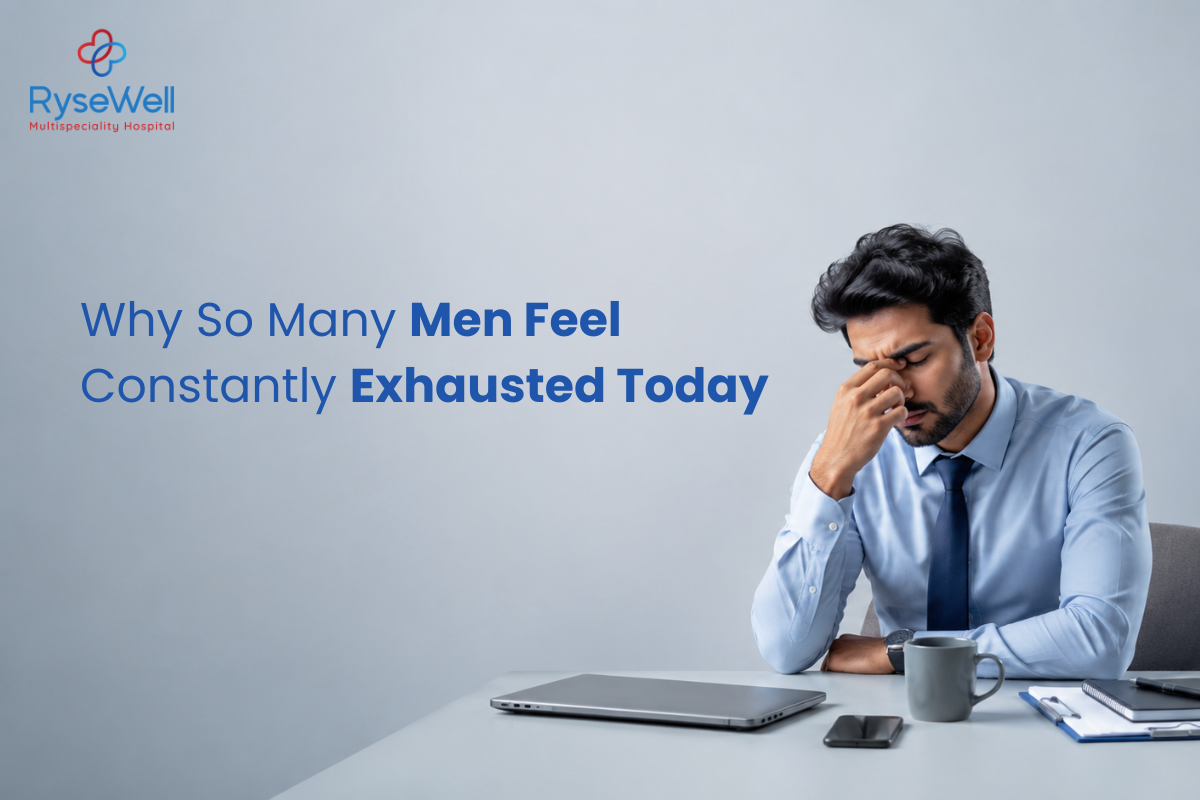
Why So Many Men Feel Constantly Exhausted Today ?
Men’s Wellness · Rysewell Homeopathy Clinic Why So Many Men Feel Constantly Exhausted Today Persistent fatigue that does not go away after rest, sleep, or weekends off may be a sign that the body and mind are struggling to cope with deeper lifestyle imbalances. Holistic Health Awareness · Rysewell Homeopathy Clinic · 8 min read Feeling tired after a long day is normal. But an increasing number of men today are experiencing a different kind of exhaustion — one that persists even after adequate rest, weekends off, or vacations. Many dismiss these symptoms as a normal part of adulthood, work pressure, or aging. In reality, persistent exhaustion can signal that the body and mind are struggling to maintain balance. Common Causes of Persistent Fatigue in Men Chronic exhaustion rarely has a single cause. For most men, it is the result of multiple lifestyle pressures compounding over time — each individually manageable, but collectively draining. 🧠 Chronic Stress Continuous mental pressure quietly drains energy levels, disrupts sleep quality, and affects both emotional and physical performance over time. 😴 Poor Sleep Habits Late-night screen exposure, irregular schedules, and work stress reduce sleep quality — even when duration appears sufficient, leaving individuals exhausted. 🪑 Sedentary Lifestyle Long hours of sitting, minimal physical activity, and desk-based work reduce stamina, promote weight gain, and contribute to persistent low energy. 🔥 Emotional Burnout Workplace pressure, family responsibilities, and constant mental engagement cause emotional fatigue that frequently manifests as physical exhaustion. Signs Men Commonly Push Through and Ignore Many men adopt a mindset of “pushing through” discomfort. These symptoms are often dismissed as temporary when they may indicate deeper physical and emotional health imbalances that need attention. Waking up tired every morning despite sleeping through the night Difficulty concentrating and reduced motivation throughout the day Increased irritability, mood changes, and lack of enthusiasm Frequent headaches, digestive discomfort, and muscle tension Poor productivity and reduced quality of personal and professional life Why Modern Life Is Making Exhaustion Worse Today’s lifestyle places unique and compounding demands on men both professionally and personally. Unlike temporary tiredness, chronic exhaustion develops gradually and affects overall well-being if left unaddressed. ⚠️ Daily Pressures That Accumulate Over Time ► Career responsibilities and long, demanding work hours ► Financial pressures and ongoing family commitments ► Digital overload and constant connectivity with no recovery time ► Unhealthy eating patterns and excessive caffeine dependency ► Social expectations and the pressure to keep performing Tired of Feeling Tired? At Rysewell Homeopathy Clinic, persistent exhaustion is assessed holistically — considering physical health, emotional well-being, sleep quality, stress, and lifestyle together for personalised support. Visit Website Call or WhatsApp Healthy Habits That Can Help Improve Energy Levels Simple, consistent daily changes can make a meaningful difference in managing chronic fatigue. These habits address the most common lifestyle triggers contributing to persistent low energy. 😴 Quality Sleep Maintain consistent sleep schedules and reduce screen exposure before bedtime to improve both sleep depth and morning energy levels. 🏃 Physical Activity Regular movement supports circulation, energy production, and stress reduction — even short daily walks can make a noticeable difference. 🥗 Balanced Nutrition Nutritious eating habits and regular meals help maintain steady energy levels and support metabolism and digestive health throughout the day. 🧘 Stress Management Mental wellness practices and deliberate recovery breaks support emotional resilience and prevent the accumulation of burnout over time. How Rysewell Homeopathy Clinic Can Help Personalised Homeopathic Consultation & Holistic Wellness Support At Rysewell Homeopathy Clinic, exhaustion is viewed as more than just a symptom. Care is tailored to the individual’s overall health profile — considering physical patterns, emotional well-being, sleep quality, stress levels, lifestyle habits, and individual constitution to support long-term balance and vitality. Key Takeaways Persistent exhaustion that does not resolve with rest is increasingly common among men Stress, poor sleep, sedentary habits, and emotional burnout are major contributing factors Mental and physical health are closely connected — both must be addressed together Chronic fatigue should not be normalised or continuously ignored Homeopathy offers individualised and holistic wellness support for lasting improvement Frequently Asked Questions Why do I feel exhausted even after a full night’s sleep?+ Poor sleep quality — rather than just sleep duration — is often the issue. Stress, irregular schedules, screen exposure before bed, and emotional burnout can all reduce the restorative quality of sleep, leaving individuals feeling tired regardless of how many hours they rest. Is constant fatigue just a normal part of a busy lifestyle?+ No. While occasional tiredness is normal, persistent exhaustion that does not improve with rest is not something that should be accepted or pushed through. It may indicate underlying physical or emotional imbalances that require proper attention and care. How are mental stress and physical fatigue connected?+ The body and mind are closely linked. Chronic stress, anxiety, and emotional pressure frequently manifest as physical symptoms including fatigue, headaches, acidity, muscle tension, and disrupted sleep. Addressing only the physical symptoms without considering the emotional dimension may not lead to lasting improvement. How does homeopathy approach chronic exhaustion differently?+ Homeopathy views fatigue as part of the individual’s broader health picture rather than an isolated symptom. Care is tailored to the person’s physical health patterns, emotional well-being, sleep quality, stress levels, lifestyle habits, and individual constitution — supporting balance from within rather than focusing solely on symptom suppression. What lifestyle changes can help improve energy levels alongside treatment?+ Prioritising consistent sleep schedules, staying physically active, eating balanced meals, managing stress through regular breaks and mental wellness practices, and reducing excessive caffeine and screen time are all effective steps that complement holistic health support for chronic fatigue. Conclusion Constant exhaustion is not always a sign of a busy schedule. In many cases, it may indicate that the body and mind are struggling to cope with ongoing lifestyle pressures and underlying imbalances. Recognising the signs early and taking proactive steps toward better health can significantly improve quality of life, energy levels, and overall well-being. At Rysewell Homeopathy Clinic, the focus is … Continue reading “Why So Many Men Feel Constantly Exhausted Today ?”

The Importance of Hygiene and Infection Control During Viral Outbreaks
Healthcare Awareness · Rysewell Hospitals & Palve Labs Understanding Ebola Virus Disease: Symptoms, Spread, and Why Early Detection Matters Ebola virus disease remains one of the most serious infectious illnesses healthcare experts monitor worldwide. Understanding how it spreads, its symptoms, and why timely medical care matters is essential for public health preparedness. Healthcare Awareness · Rysewell Hospitals Healthcare Team · 7 min read Global healthcare systems remain alert to infectious disease outbreaks that can spread rapidly and affect public health on a large scale. Among the most serious viral diseases that continue to concern healthcare experts is Ebola virus disease (EVD). Although outbreaks are relatively rare, the virus is known for causing severe illness and high fatality rates in affected regions — making public awareness, early identification, and infection control essential. What Is the Ebola Virus? Ebola virus disease (EVD) is a severe viral illness caused by infection with the Ebola virus. It primarily affects humans and certain wild animals such as bats and nonhuman primates. Ebola is considered a serious infectious disease because it can spread through direct contact with infected bodily fluids and may lead to severe complications if not managed appropriately. Outbreaks have historically occurred mainly in parts of Africa, but global healthcare systems continue monitoring the disease due to international travel and public health concerns. 🦠 Severe Viral Illness Caused by infection with the Ebola virus, known for severe illness and high fatality rates in affected regions. 🐾 Animal & Human Impact Affects humans as well as certain wild animals such as bats and nonhuman primates. 🌍 Regional History Outbreaks have historically occurred mainly in parts of Africa, but global monitoring continues due to international travel. ⚠️ Direct Contact Spread Spreads through direct contact with infected bodily fluids and may lead to severe complications if unmanaged. How Does Ebola Spread? Ebola does not spread through casual everyday interaction like some common viral illnesses. The virus spreads primarily through direct contact with infected blood, bodily fluids, contaminated surfaces or materials, and infected tissues. Transmission may occur through contact with infected individuals, contaminated medical equipment, or unsafe handling of infected materials. Healthcare workers and caregivers are often at higher risk during outbreaks if proper infection-control measures are not followed. Blood and bodily fluids from an infected individual Contaminated surfaces or materials used by an infected person Infected tissues handled without protective measures Contaminated medical equipment reused without sterilisation Unsafe handling of infected materials during care or burial practices Common Symptoms of Ebola Virus Disease Symptoms may initially appear similar to other viral infections, which is why early medical assessment is so important. The severity of symptoms can vary depending on an individual’s health condition and the stage of infection. 🌡️ Early Symptoms Fever, severe weakness and fatigue, muscle pain, headache, and sore throat are among the earliest signs. 📈 Progressing Symptoms As illness progresses, vomiting, diarrhoea, and stomach pain may develop and become more severe. 🩸 Serious Cases In serious cases, internal or external bleeding may occur, requiring urgent medical attention. 🔍 Individual Variation Severity can vary depending on a person’s overall health condition and the stage of infection. Why Early Detection Matters Early identification and medical isolation are extremely important during infectious disease outbreaks. Ignoring symptoms or delaying medical attention during infectious disease exposure can increase health risks significantly. ✅ How Timely Medical Attention Helps ► Reduces the spread of infection to others ► Improves supportive medical care for the patient ► Protects caregivers and healthcare workers ► Strengthens overall outbreak control efforts Stay Informed, Stay Protected Palve Labs supports diagnostic awareness and preventive healthcare monitoring, helping individuals and families make informed health decisions. Visit Palve Labs Call or WhatsApp Why Global Awareness About Ebola Is Important Although Ebola outbreaks are not common everywhere, awareness remains important because international travel increases global connectivity, and infectious diseases can spread rapidly without proper monitoring. Public awareness supports faster healthcare response, and global health preparedness depends heavily on public education, infection-control awareness, healthcare readiness, and diagnostic support systems. 📚 Public Education Helps communities recognise symptoms early and respond appropriately during outbreaks. 🧪 Diagnostic Support Reliable laboratory infrastructure supports outbreak management and patient care decisions. The Importance of Infection Prevention Preventive healthcare and hygiene play an important role in reducing infection risks. Public health authorities and healthcare institutions follow strict infection-control protocols during outbreak situations. Proper hand hygiene practised regularly Avoiding contact with infected bodily fluids Following safe healthcare practices Using protective medical equipment during outbreaks How Rysewell Hospitals and Palve Labs Support Healthcare Awareness Diagnostic Accuracy, Preventive Awareness & Patient Safety At Rysewell Hospitals, the focus is on preventive healthcare education, patient safety, medical awareness, and responsible healthcare practices — including infectious disease prevention, early symptom recognition, and the importance of timely medical care. At Palve Labs, the focus remains on diagnostic awareness, preventive healthcare support, and responsible health monitoring — supporting infection screening, health monitoring, and timely medical decision-making. Key Takeaways Ebola virus disease is a serious infectious illness caused by the Ebola virus The virus spreads through direct contact with infected bodily fluids Early symptom recognition and medical attention are important Preventive hygiene and infection-control practices help reduce risks Diagnostic laboratories and healthcare systems play a major role in outbreak preparedness Frequently Asked Questions How does Ebola spread between people?+ Ebola spreads primarily through direct contact with the blood, bodily fluids, or infected tissues of a person who is sick, or through contact with contaminated surfaces and medical equipment. It does not spread through casual everyday interaction like some common viral illnesses. What are the early symptoms of Ebola virus disease?+ Early symptoms often resemble other viral infections and may include fever, severe weakness and fatigue, muscle pain, headache, and sore throat. Because these signs are common to many illnesses, early medical assessment is important for accurate identification. Why is early medical attention so important during an outbreak?+ Early identification and isolation help reduce the spread of infection, improve supportive medical care, protect caregivers and healthcare workers, … Continue reading “The Importance of Hygiene and Infection Control During Viral Outbreaks”