Introduction
As women, we often prioritize the health and well-being of our families, friends, and colleagues, sometimes at the expense of our own health. However, taking care of yourself is essential to living a long, fulfilling life. For women in Pune, maintaining good health is not just about feeling good, but also about preventing future health issues. One of the best ways to ensure your health is in optimal condition is by undergoing regular health screenings.
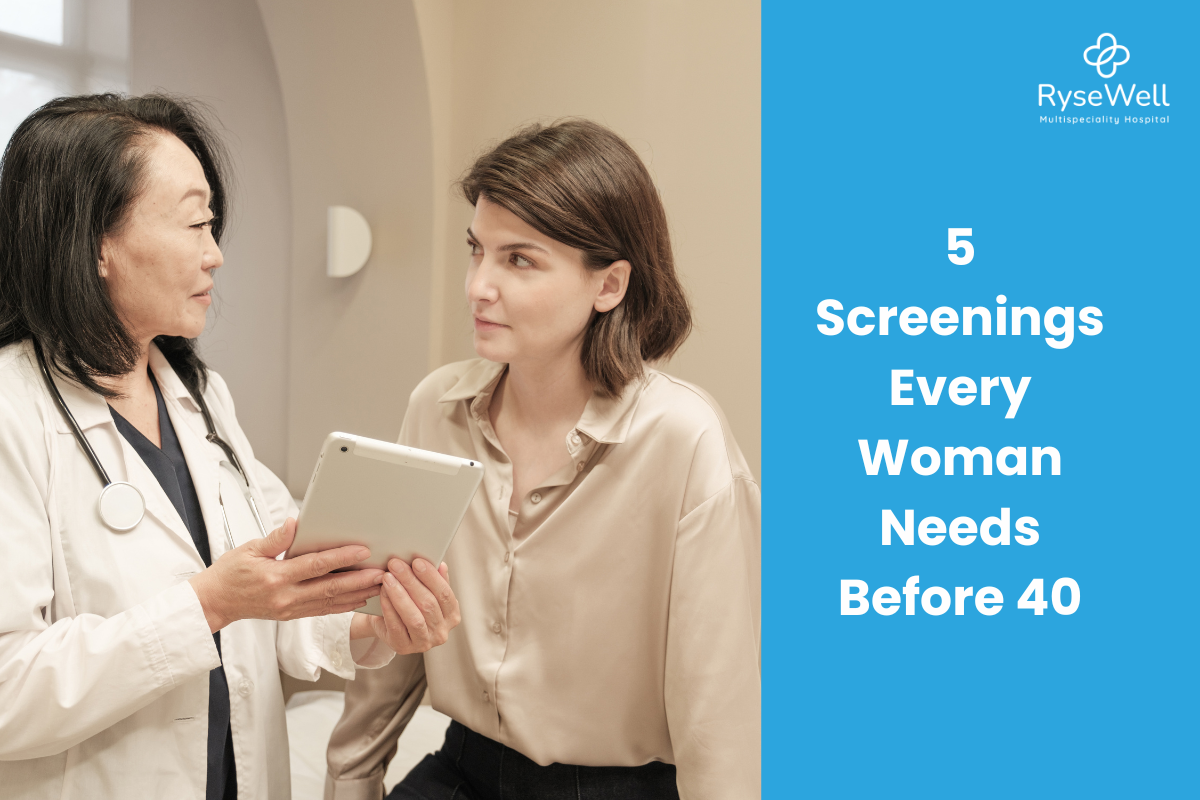
Screenings allow for early detection of potential health problems, which is vital for effective treatment and prevention. Women under 40 may feel invincible, but preventive healthcare becomes more important as we approach our 40s. In this blog, we’ll outline five essential health screenings that every woman in Pune should consider completing before she turns 40.
At RyseWell Multispeciality Hospital, we’re committed to helping women prioritize their health with accessible screenings, expert consultations, and personalized care. Read on to learn about the critical screenings that can help you stay healthy and proactive in managing your well-being.
1. Breast Cancer Screening: Mammograms and Self-Exams
Why it matters:
Breast cancer is one of the most common cancers affecting women in India. While it is more commonly diagnosed in women over 40, it is important for younger women to be proactive and aware of any changes in their breast tissue. Early detection significantly improves treatment outcomes.
What to do before turning 40:
- Self-exams: Women should start performing regular breast self-exams from their 20s. It’s a simple way to notice any changes in breast tissue, such as lumps, thickening, or changes in shape or size.
- Clinical exams: You should visit your doctor for a clinical breast examination at least once every three years starting in your 20s.
- Mammograms: While mammograms are typically recommended for women aged 40 and above, if you have a family history of breast cancer or are at increased risk, your doctor might recommend earlier screening.
What to look for:
- Lumps or changes in size or shape of the breast
- Unexplained pain or swelling
- Changes in the skin or color of the breast
2. Cervical Cancer Screening: Pap Smears and HPV Tests
Why it matters:
Cervical cancer is a major concern for women, especially as they get older. While it is not common in younger women, it is essential to start screening early to prevent cancer from developing. A Pap smear and human papillomavirus (HPV) test are used to detect early signs of cervical abnormalities or infections that could lead to cancer.
What to do before turning 40:
- Pap Smear: Women should start getting Pap smears by the age of 21, regardless of sexual activity. If the results are normal, this test can be repeated every 3 years until the age of 30.
- HPV Test: In combination with the Pap smear, an HPV test is recommended after the age of 30 to check for the presence of high-risk HPV strains, which are the main cause of cervical cancer.
What to look for:
- Unexplained bleeding between periods
- Pain during intercourse
- Unusual discharge from the vagina
3. Thyroid Function Test: Detecting Hypothyroidism and Hyperthyroidism
Why it matters:
Thyroid disorders are common among women, especially those between the ages of 20 and 40. An underactive thyroid (hypothyroidism) can cause fatigue, weight gain, depression, and other symptoms, while an overactive thyroid (hyperthyroidism) can lead to weight loss, anxiety, and rapid heart rate. If left untreated, thyroid disorders can lead to significant health problems, including infertility.
What to do before turning 40:
- Thyroid function test: A simple blood test can assess the levels of thyroid hormones in your body, which will help identify any imbalances.
- When to test: It is recommended for women to get their thyroid levels tested every two years, especially if they have a family history of thyroid disorders or experience symptoms like unexplained weight changes or energy levels.
What to look for:
- Unexplained weight loss or weight gain
- Fatigue or lethargy
- Mood swings or anxiety
- Sensitivity to temperature (cold or heat intolerance)
4. Blood Pressure Check: Monitoring for Hypertension
Why it matters:
High blood pressure (hypertension) is a silent killer, and it is often symptomless until it leads to severe complications such as stroke or heart disease. Women are at increased risk of hypertension after the age of 30 due to factors like stress, weight gain, and sedentary lifestyle. Regular monitoring is key to preventing long-term health complications.
What to do before turning 40:
- Routine checks: Blood pressure should be checked at least once every two years, or more often if you have risk factors such as family history, smoking, or obesity.
- Early intervention: If you’re diagnosed with high blood pressure, your doctor can help you manage it through lifestyle changes, such as a low-salt diet, regular exercise, and stress management techniques.
What to look for:
- Persistent headaches
- Shortness of breath
- Chest pain or irregular heartbeat
- Blurred vision
5. Blood Sugar Testing: Preventing Type 2 Diabetes
Why it matters:
Diabetes is a growing concern for women, especially those with sedentary lifestyles and poor dietary habits. Type 2 diabetes, which is preventable and manageable, can cause serious complications such as nerve damage, kidney failure, and heart disease if left unchecked. Blood sugar testing is the first step toward early detection and prevention.
What to do before turning 40:
- Blood sugar testing: Women with risk factors such as a family history of diabetes, being overweight, or having gestational diabetes during pregnancy should get their blood sugar levels tested regularly.
- Fasting blood sugar test: This test measures blood glucose levels after an overnight fast and is typically performed every year for those at risk.
What to look for:
- Increased thirst and urination
- Extreme hunger or fatigue
- Blurred vision
- Slow-healing wounds
Conclusion: Protecting Your Health with Early Detection
Health screenings are a crucial part of maintaining your well-being as you age, especially for women in Pune. Regular checkups, even when you feel healthy, allow you to catch potential health issues before they develop into more serious problems. At RyseWell Hospital, we offer a comprehensive range of health screenings to ensure that you are on the path to a long, healthy life. Don’t wait until symptoms arise—schedule your screening today and take the first step toward a healthier future.
For more information about the health screenings recommended for women, or to book your health checkup, call us at +91 7709862164 or visit our website to schedule an appointment.
Recent Blogs


 Health Tests Every Man Should Consider After 30
June 22, 2026
 Why So Many Men Feel Constantly Exhausted Today ?
June 18, 2026



 Monsoon Health Risks Most Families Ignore
June 8, 2026

No related posts found in this category.