Understanding Ebola Virus Disease: Symptoms, Spread, and Why Early Detection Matters
Ebola virus disease remains one of the most serious infectious illnesses healthcare experts monitor worldwide. Understanding how it spreads, its symptoms, and why timely medical care matters is essential for public health preparedness.
Healthcare Awareness · Rysewell Hospitals Healthcare Team · 7 min read
Global healthcare systems remain alert to infectious disease outbreaks that can spread rapidly and affect public health on a large scale. Among the most serious viral diseases that continue to concern healthcare experts is Ebola virus disease (EVD). Although outbreaks are relatively rare, the virus is known for causing severe illness and high fatality rates in affected regions — making public awareness, early identification, and infection control essential.
What Is the Ebola Virus?
Ebola virus disease (EVD) is a severe viral illness caused by infection with the Ebola virus. It primarily affects humans and certain wild animals such as bats and nonhuman primates. Ebola is considered a serious infectious disease because it can spread through direct contact with infected bodily fluids and may lead to severe complications if not managed appropriately. Outbreaks have historically occurred mainly in parts of Africa, but global healthcare systems continue monitoring the disease due to international travel and public health concerns.
|
🦠
Severe Viral Illness
Caused by infection with the Ebola virus, known for severe illness and high fatality rates in affected regions.
|
🐾
Animal & Human Impact
Affects humans as well as certain wild animals such as bats and nonhuman primates.
|
|
🌍
Regional History
Outbreaks have historically occurred mainly in parts of Africa, but global monitoring continues due to international travel.
|
⚠️
Direct Contact Spread
Spreads through direct contact with infected bodily fluids and may lead to severe complications if unmanaged.
|
How Does Ebola Spread?
Ebola does not spread through casual everyday interaction like some common viral illnesses. The virus spreads primarily through direct contact with infected blood, bodily fluids, contaminated surfaces or materials, and infected tissues. Transmission may occur through contact with infected individuals, contaminated medical equipment, or unsafe handling of infected materials. Healthcare workers and caregivers are often at higher risk during outbreaks if proper infection-control measures are not followed.
| Blood and bodily fluids from an infected individual |
| Contaminated surfaces or materials used by an infected person |
| Infected tissues handled without protective measures |
| Contaminated medical equipment reused without sterilisation |
| Unsafe handling of infected materials during care or burial practices |
Common Symptoms of Ebola Virus Disease
Symptoms may initially appear similar to other viral infections, which is why early medical assessment is so important. The severity of symptoms can vary depending on an individual’s health condition and the stage of infection.
|
🌡️ Early Symptoms
Fever, severe weakness and fatigue, muscle pain, headache, and sore throat are among the earliest signs.
|
📈 Progressing Symptoms
As illness progresses, vomiting, diarrhoea, and stomach pain may develop and become more severe.
|
|
🩸 Serious Cases
In serious cases, internal or external bleeding may occur, requiring urgent medical attention.
|
🔍 Individual Variation
Severity can vary depending on a person’s overall health condition and the stage of infection.
|
Why Early Detection Matters
Early identification and medical isolation are extremely important during infectious disease outbreaks. Ignoring symptoms or delaying medical attention during infectious disease exposure can increase health risks significantly.
| ► Reduces the spread of infection to others |
| ► Improves supportive medical care for the patient |
| ► Protects caregivers and healthcare workers |
| ► Strengthens overall outbreak control efforts |
Palve Labs supports diagnostic awareness and preventive healthcare monitoring, helping individuals and families make informed health decisions.
Why Global Awareness About Ebola Is Important
Although Ebola outbreaks are not common everywhere, awareness remains important because international travel increases global connectivity, and infectious diseases can spread rapidly without proper monitoring. Public awareness supports faster healthcare response, and global health preparedness depends heavily on public education, infection-control awareness, healthcare readiness, and diagnostic support systems.
|
📚 Public Education
Helps communities recognise symptoms early and respond appropriately during outbreaks.
|
🧪 Diagnostic Support
Reliable laboratory infrastructure supports outbreak management and patient care decisions.
|
The Importance of Infection Prevention
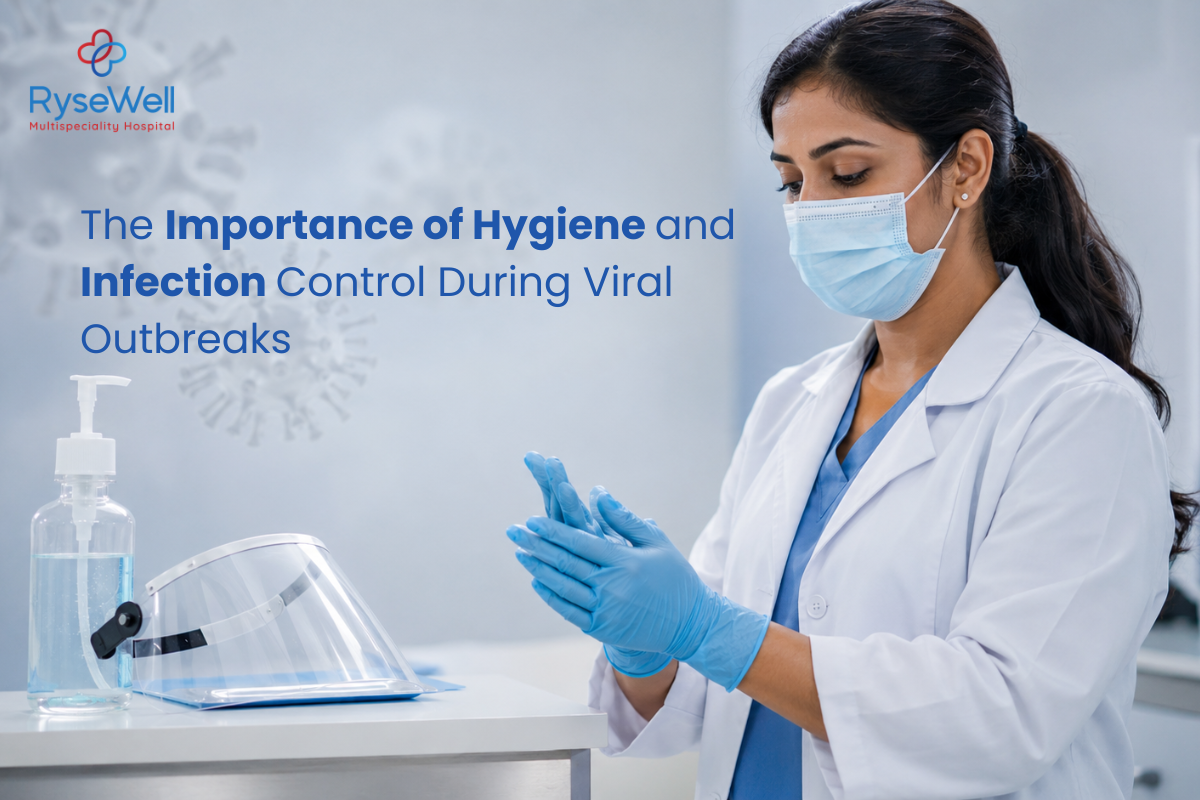
Preventive healthcare and hygiene play an important role in reducing infection risks. Public health authorities and healthcare institutions follow strict infection-control protocols during outbreak situations.
| Proper hand hygiene practised regularly |
| Avoiding contact with infected bodily fluids |
| Following safe healthcare practices |
| Using protective medical equipment during outbreaks |
How Rysewell Hospitals and Palve Labs Support Healthcare Awareness
At Rysewell Hospitals, the focus is on preventive healthcare education, patient safety, medical awareness, and responsible healthcare practices — including infectious disease prevention, early symptom recognition, and the importance of timely medical care.
At Palve Labs, the focus remains on diagnostic awareness, preventive healthcare support, and responsible health monitoring — supporting infection screening, health monitoring, and timely medical decision-making.
Key Takeaways
| Ebola virus disease is a serious infectious illness caused by the Ebola virus |
| The virus spreads through direct contact with infected bodily fluids |
| Early symptom recognition and medical attention are important |
| Preventive hygiene and infection-control practices help reduce risks |
| Diagnostic laboratories and healthcare systems play a major role in outbreak preparedness |
Frequently Asked Questions
Ebola spreads primarily through direct contact with the blood, bodily fluids, or infected tissues of a person who is sick, or through contact with contaminated surfaces and medical equipment. It does not spread through casual everyday interaction like some common viral illnesses.
Early symptoms often resemble other viral infections and may include fever, severe weakness and fatigue, muscle pain, headache, and sore throat. Because these signs are common to many illnesses, early medical assessment is important for accurate identification.
Early identification and isolation help reduce the spread of infection, improve supportive medical care, protect caregivers and healthcare workers, and strengthen overall outbreak control efforts. Delaying medical attention can significantly increase health risks.
Healthcare workers and caregivers can be at higher risk if proper infection-control measures are not followed, since they may come into close contact with infected individuals, contaminated equipment, and bodily fluids. Strict hygiene and protective protocols are essential to reduce this risk.
International travel increases global connectivity, and infectious diseases can spread rapidly without proper monitoring. Public awareness, infection-control education, and diagnostic readiness support faster healthcare responses wherever an outbreak may occur.
Understanding infectious diseases such as Ebola is important for improving healthcare awareness and global preparedness. While outbreaks remain relatively rare, responsible public awareness, preventive healthcare practices, timely medical attention, and accurate diagnostic support remain essential in managing serious viral health risks.
Reliable healthcare systems, diagnostic infrastructure, and public education together play an important role in supporting safer communities and better health outcomes.
Rysewell Hospitals and Palve Labs are committed to preventive healthcare awareness, diagnostic support, and building healthier communities.
Recent Blogs
 Health Tests Every Man Should Consider After 30
June 22, 2026

 Why So Many Men Feel Constantly Exhausted Today ?
June 18, 2026

 Monsoon Health Risks Most Families Ignore
June 8, 2026

No related posts found in this category.